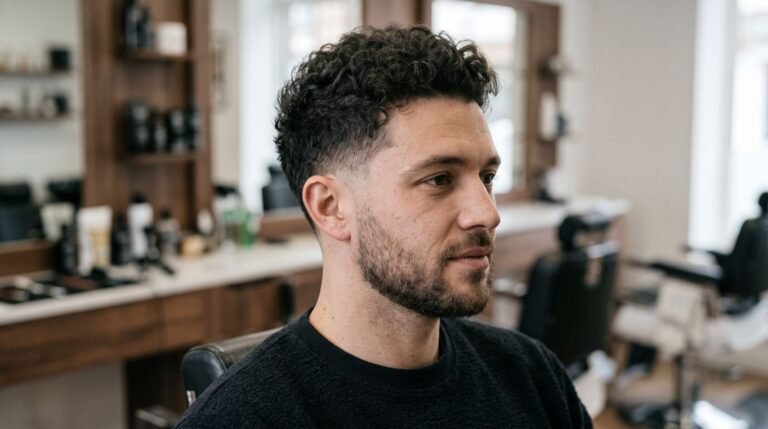
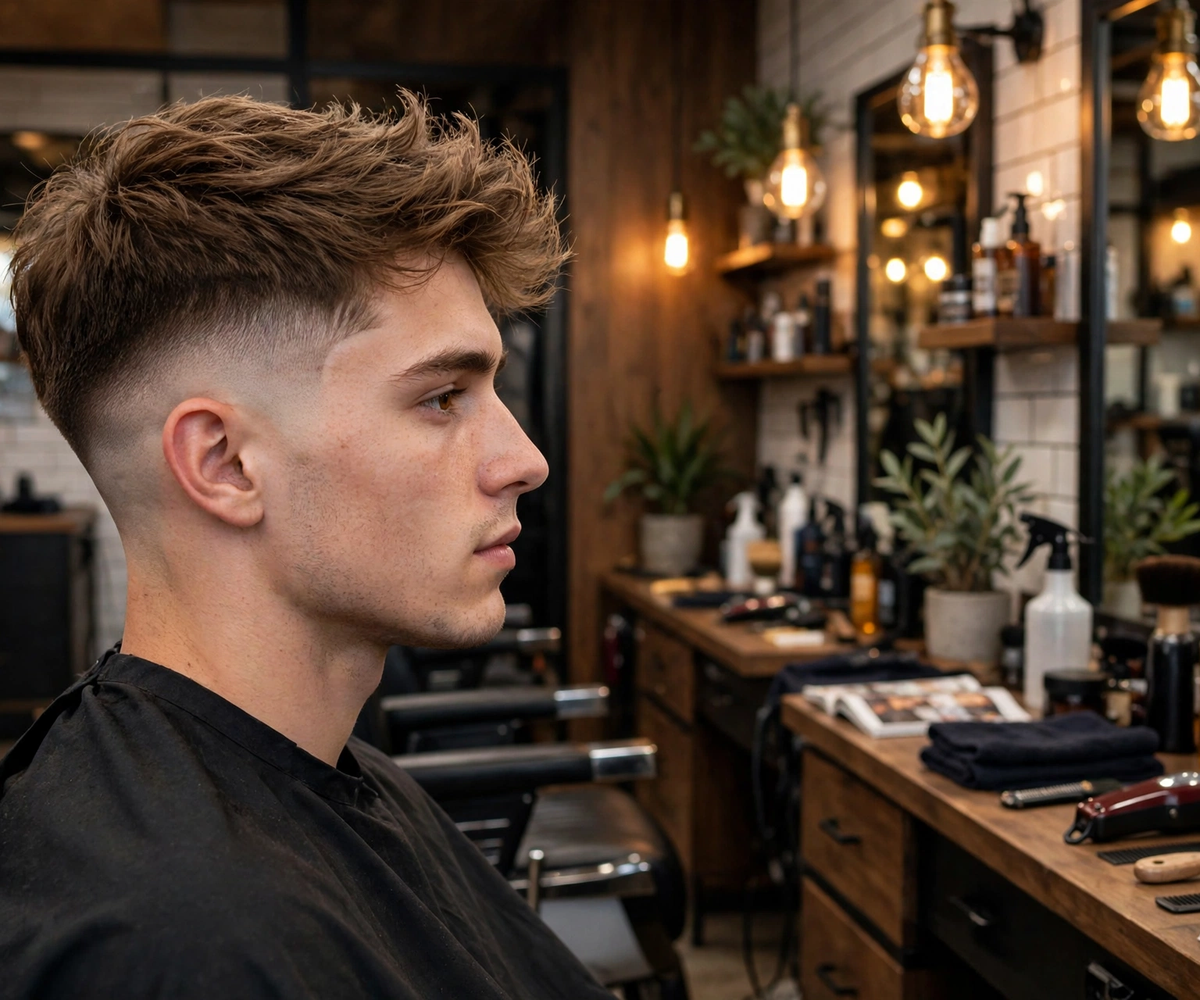
Mid Taper Fade: The Complete Guide to Styles, Maintenance & Barber Tips
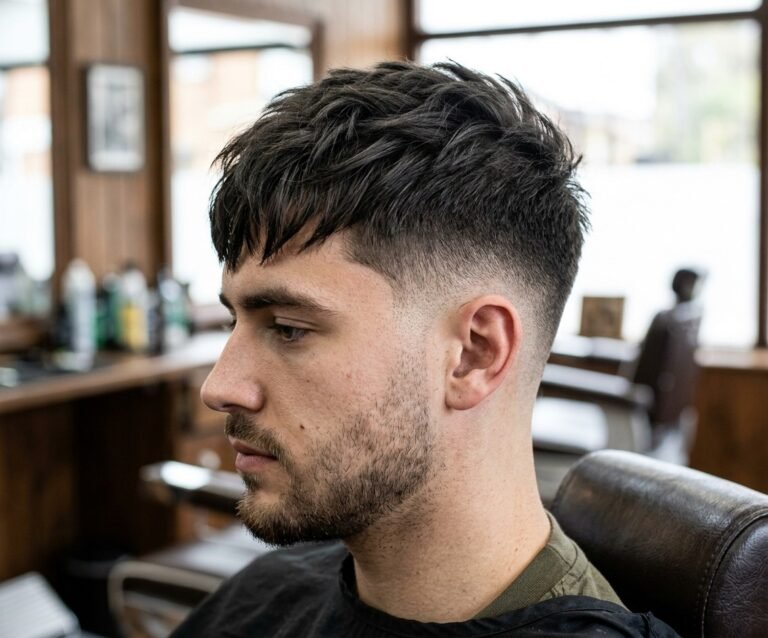
A mid taper fade is a haircut where the sides and back gradually shorten, starting around the middle of the temple, while the top keeps its length. The blend runs mainly through the sideburns and neckline, giving a clean shape with soft contrast. It is sharper than a low taper, but less dramatic than a high taper, which is why it has become one of the most requested men’s cuts. You may also see it called a medium taper fade, a taper mid fade, or a mid fade taper. These are different word orders for the same cut.
Mid Taper Fade at a Glance
| Starts at | Around the temple, an inch or two above the ear |
| Contrast | Moderate, softer than a full fade |
| Touch-up | Every 2 to 3 weeks |
| Best for | Most hair types, face shapes, and workplaces |
What Is a Mid Taper Fade?
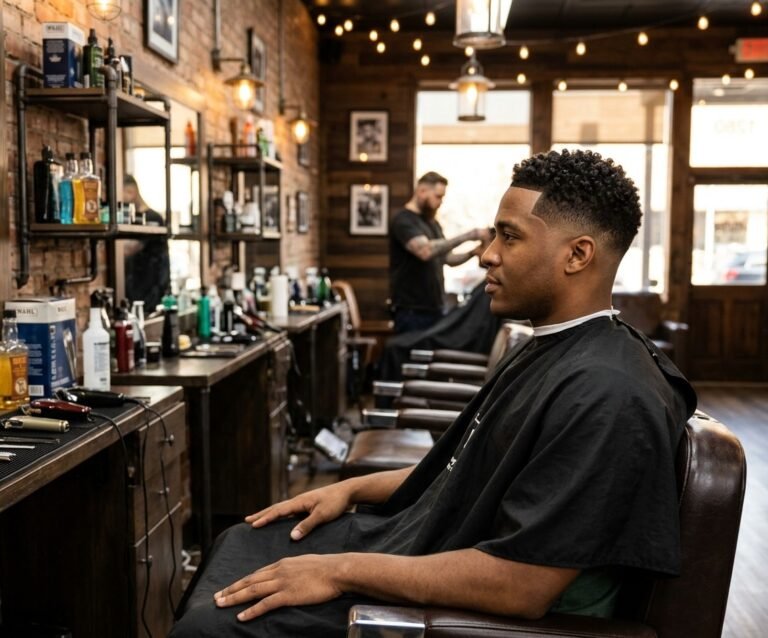
The taper starts where the head curves toward the temple. Hair below that line is cut shortest, often with a zero guard or a foil shaver, and everything above it keeps length and blends upward. The shortest section forms a neat horseshoe shape around the edges of the head.
One warning: barbers use this term loosely. In one shop, a mid taper fade may end in bare skin. In another, it may stop at a short guard. Always name the shortest length you want, so there is no guesswork.
Mid Taper Fade vs Mid Fade: What’s the Difference?
A mid fade runs one continuous gradient across the whole side and back of the head. A mid taper fade is more contained. It shortens mainly at the temples, sideburns, and neckline, and keeps more bulk through the main side panel.
| Feature | Mid Taper Fade | Mid Fade |
| Coverage | Temples, sideburns, and neckline | Full sides and back |
| Bulk kept on sides | More | Less |
| Contrast | Softer | Sharper |
| Grow-out | Gradual, less visible | Shows faster |
Choose the mid taper fade for a clean outline without exposing most of the side of your head. Choose the mid fade for bold, visible contrast.
Mid Taper vs Low Taper vs High Taper
Height changes the whole look. The higher the taper starts, the more contrast you get, and the more often it needs a touch-up. If you prefer a more subtle blend around the ears and neckline, check out our guide to the low taper fade haircut for more styles and barber tips.
| Style | Where it starts | Contrast | Best for |
| Low taper | Just above the ear | Subtle | Conservative offices |
| Mid taper | Around the temple | Moderate | Most people and settings |
| High taper | Above the temple | Strong | Bold, high-contrast looks |
Mid is the safest choice for a first fade, because it gives a clear shape without going too extreme.
Who Should Get a Mid Taper Fade?
This cut adapts to almost anyone, because the taper and the top are chosen separately.
Hair Type
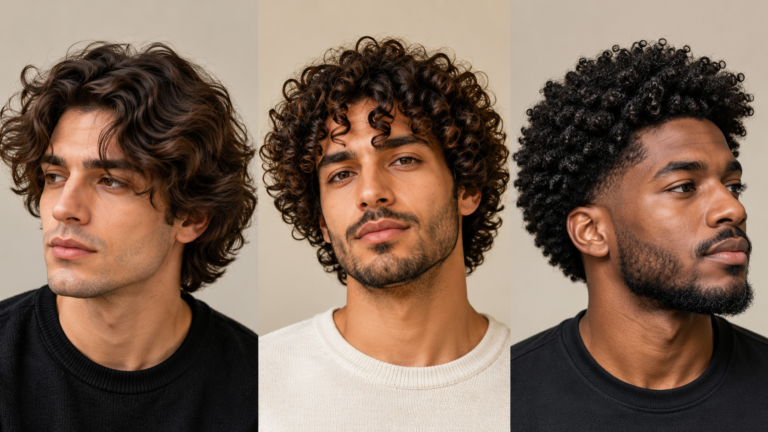
Straight hair shows the blend clearly, so precision matters more. Wavy hair adds natural texture on top. Curly and coily hair look striking with this cut, because the clean sides frame the curls. If your hair is fine or thin, keep the top a little longer and choose a longer bottom guard. Strong contrast can make thin hair look thinner.
Face Shape
A mid taper fade narrows the sides, which adds visual height. That suits round and square faces well. Oval faces can handle almost any version. If your face is long, keep a little more length on the sides so the cut does not stretch your face further. Instead of following strict rules, tell your barber the effect you want, such as narrower, fuller, or more angular.
Lifestyle and Dress Code
Most offices and schools accept a mid taper fade, and the controlled blend keeps it business-appropriate. Strict grooming policies, including military rules, may limit how short the sides can go. A skin finish reads more casual, so choose a shadow finish for strict workplaces. Also think about how often you are willing to visit the barber, since a sharper finish needs more frequent touch-ups.
Best Mid Taper Fade Styles to Try
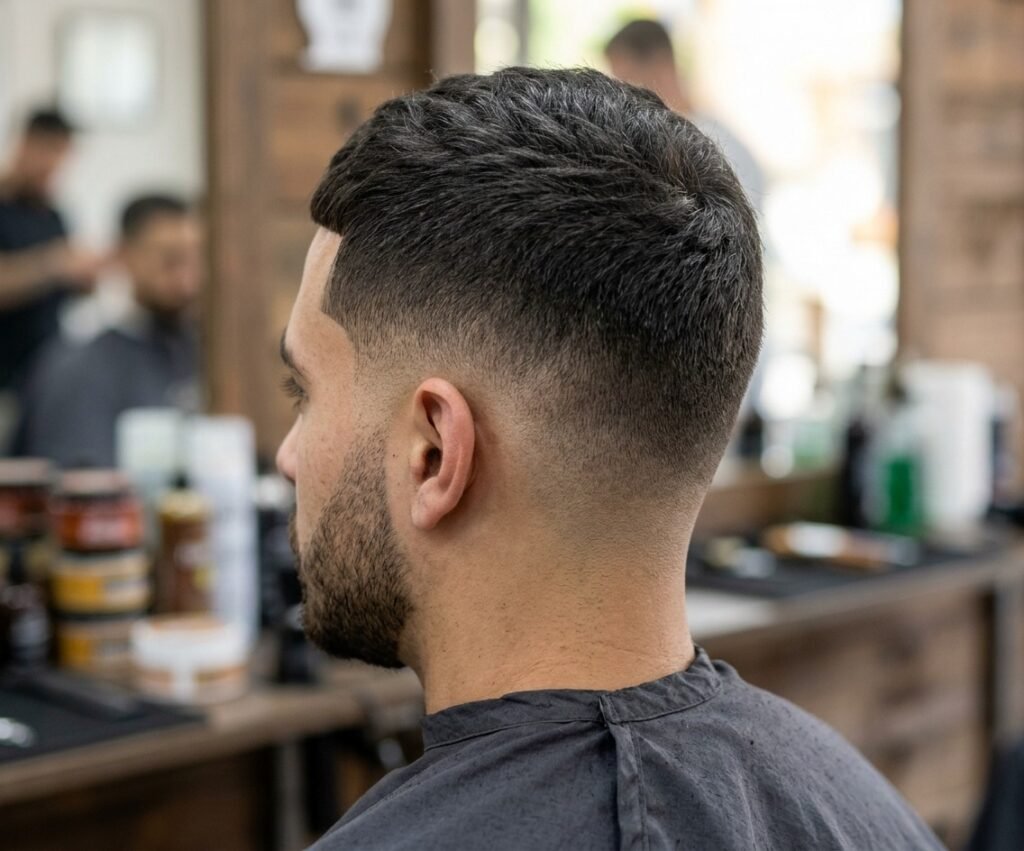
The taper controls the edges, but the top does most of the work.
Short and Textured Tops
A buzz cut with a mid taper fade is the lowest-maintenance option. There is no styling needed, and the taper does the visual work. A crew cut or Ivy League adds a little length and a defined part. A textured crop or French crop gives a choppy, forward fringe that takes under a minute to style and works well for thinning hair.
Medium and Longer Tops
A quiff or pompadour pairs volume on top with clean sides, but needs blow-drying and a firm-hold product. A side part or slick back looks more formal and works best with a softer shadow taper. A middle part, or curtains, needs enough top length to fall past the forehead. For a rounder, softer shape, try a blowout, which works especially well on curly hair.
Curly, Coily, and Textured Combinations
A curly top gives definition without bulk at the sides. A short afro with a shape-up keeps the silhouette intentional as it grows. Twists, braids, or locs can also pair with this cut, since the taper is applied only at the edges while the top pattern stays untouched.
Finishes That Change the Look
A skin finish clips down to visible scalp for maximum contrast. A shadow finish stops just short of the skin and leaves a soft dusting of hair. A sharp line-up gives a crisp border at the forehead and temples, while a natural hairline looks softer and grows out better. You can also blend the sideburns into your beard for one continuous line from ear to jaw.
How to Ask Your Barber for a Mid Taper Fade
Tell your barber three things: where the taper starts, how short the sides get, and how much length stays on top. Add a reference photo and you remove almost every chance of a surprise. Bring photos that show the cut from the front, side, and back, ideally on a hair type similar to yours.
Here is a simple script you can use:
“I would like a mid taper fade. Start the taper about an inch above my ear, take the sides down to a number one guard, and keep them fairly tight. Leave two inches on top, textured, and blend it with no visible line.”
Adjust the numbers to your own taste. If you want skin at the bottom, say “skin finish” so your barber uses a foil shaver instead of a guard. Before the clippers start, repeat the plan back to your barber. It takes ten seconds and catches most miscommunication.
Mid Taper Fade Cost and Time
In a typical barbershop, a mid taper fade usually costs between $25 and $50. In bigger cities or premium shops, it can run $40 to $70 or more. A skin finish, line-up, or beard blend may add $5 to $15. Prices vary by city and shop, so check before your visit.
The cut itself usually takes 20 to 40 minutes. A first visit may take longer, because a good barber will spend time on the consultation. A simple touch-up of the taper and neckline is often quicker and cheaper than a full cut.
Styling and Maintenance
Daily Styling by Hair Type
Straight hair needs a light pomade or sea salt spray for texture. Thick, wavy hair responds well to matte clay. Apply a pea-sized amount to towel-dried hair and shape the top with your fingers. Curly and coily hair needs moisture more than hold, so use a leave-in conditioner or curl cream to keep curls defined, and let it air dry or diffuse on low heat.
How Often to Book a Touch-Up
A mid taper fade looks its best for about two weeks, and the sides grow out visibly by week three. Book every two to three weeks for most finishes. Skin finishes look best at two weeks, while longer guards can stretch to three or four weeks. Fast growers and men with dark, dense hair may see the fade fill in sooner, sometimes within ten days. Watch the neckline, because it softens first.
Cleanup and Cutting at Home
Between visits, you can tidy the neckline and the area around the ears with a trimmer or a small foil shaver. Work on dry, clean skin under good light, and never go higher than the existing edge.
Do not try to cut the fade itself. The blend is hard to judge from behind, and one wrong pass with the clippers can leave a visible line that takes weeks to grow out. If you still want to try, you will need clippers with guards, a handheld mirror, good lighting, and a lot of patience. For most people, a barber is worth it for this cut.
Common Mistakes to Avoid
- Walking in and just saying “a fade,” which can mean ten different cuts.
- Asking for the shortest guard when unsure. A number one guard hides bumps and flat spots better than skin.
- Choosing a harsh edge-up with a receding hairline, since a hard line draws attention to thinning temples.
Growing Out a Mid Taper Fade
One big advantage of the taper is that it grows out gracefully. Because the blend stays close to the edges, the cut still looks decent as it grows, especially if the neckline stays tidy. After four to six weeks, you can either refresh the taper or grow it into a longer crop or a low taper. Tell your barber you are growing it out, so they trim only the edges and leave the top and sides alone.
Frequently Asked Questions
What is the difference between a taper and a fade?
A taper shortens the hair gradually and usually stops at a short length, so it keeps a hint of hair at the edges. A fade goes down to skin or nearly skin, and the transition is more dramatic. A mid taper fade combines the two ideas: a taper-style blend that can finish as short as you choose.
How do I avoid razor bumps and irritation after a skin finish?
Wash the area with a gentle cleanser, avoid scratching, and skip heavy products on freshly shaved skin for the first day. A light, alcohol-free moisturizer helps. If you get bumps often, ask for a shadow finish instead of a foil shave.
How much hair do I need on top?
It depends on the style. A buzz or French crop works with half an inch to an inch, a textured crop or side part needs about two to three inches, and a quiff or pompadour usually needs four inches or more.
Can I get a mid taper fade with a receding hairline?
Yes. Keep the line-up soft or skip it, and let the top fall slightly forward so the temples are less exposed. Your barber can also match the taper height to your hairline so the two look balanced.
When should I book the cut before an event?
Two to three days ahead. The blend settles after a day or so, and the skin around the neckline and ears has time to calm down if it is a skin finish.
Conclusion
A mid taper fade is the safest way to get a sharp, modern haircut without going too extreme. It suits most hair types and face shapes, works in almost every workplace, and grows out gracefully. Pick the finish that fits your lifestyle, give your barber clear instructions, and keep up with regular touch-ups, and your cut will stay sharp from the first day to the last.