What Is Permanent Jewelry? A Complete Buyer’s Guide Before You Get One
If you’ve been seeing permanent jewelry all over TikTok, Instagram, or at your local jewelry studio, you’re probably asking the same questions most first-time buyers ask: What exactly is permanent jewelry? Does the welding hurt? Can you really wear it every day? And what happens if you need to take it off later?
These are reasonable concerns. The word permanent makes many people assume the jewelry can never be removed, while the idea of welding something onto your wrist can sound intimidating if you’ve never seen the process before.
After reviewing guidance from trusted jewelry organizations, studying how professional jewelers perform the service, and comparing how leading jewelry studios explain permanent jewelry to their customers, one thing becomes clear: most people are far more comfortable with the process once they understand how it actually works.
In reality, permanent jewelry is simply a custom-fitted bracelet, anklet, necklace, or ring that’s welded closed instead of secured with a clasp. The welding is performed on a tiny metal connector not on your skin and the jewelry can be safely removed whenever necessary by cutting the welded jump ring.
People choose permanent jewelry for many reasons. Some want a meaningful reminder of a friendship, relationship, or milestone. Others simply love the convenience of wearing a beautiful piece every day without worrying about clasps or taking it on and off.
What Happens During a Permanent Jewelry Appointment?
Getting permanent jewelry is a quick, straightforward process that usually takes less than 20 minutes from start to finish. A professional jeweler will walk you through each step to make sure the final piece fits comfortably and looks exactly how you want.
Step 1: Choose Your Chain
You’ll start by picking the chain you want to wear. Most studios carry a range of styles, thicknesses, and metals, so there’s usually something to match every taste.
Common choices include:
- 14K gold
- 14K gold-filled
- Sterling silver
- Solid gold
- Platinum (at some studios)
Many jewelers also offer small charms, birthstones, or connectors that can be added to the chain before it’s welded shut.
Step 2: Get the Perfect Fit
Next, the jeweler measures the chain directly around your wrist, ankle, neck, or finger. The goal is a fit that feels natural and allows free movement without being too loose or too tight.
Because everyone’s measurements are different, each piece is custom fitted specifically to you rather than sized off a standard chart.
Step 3: Welding the Chain
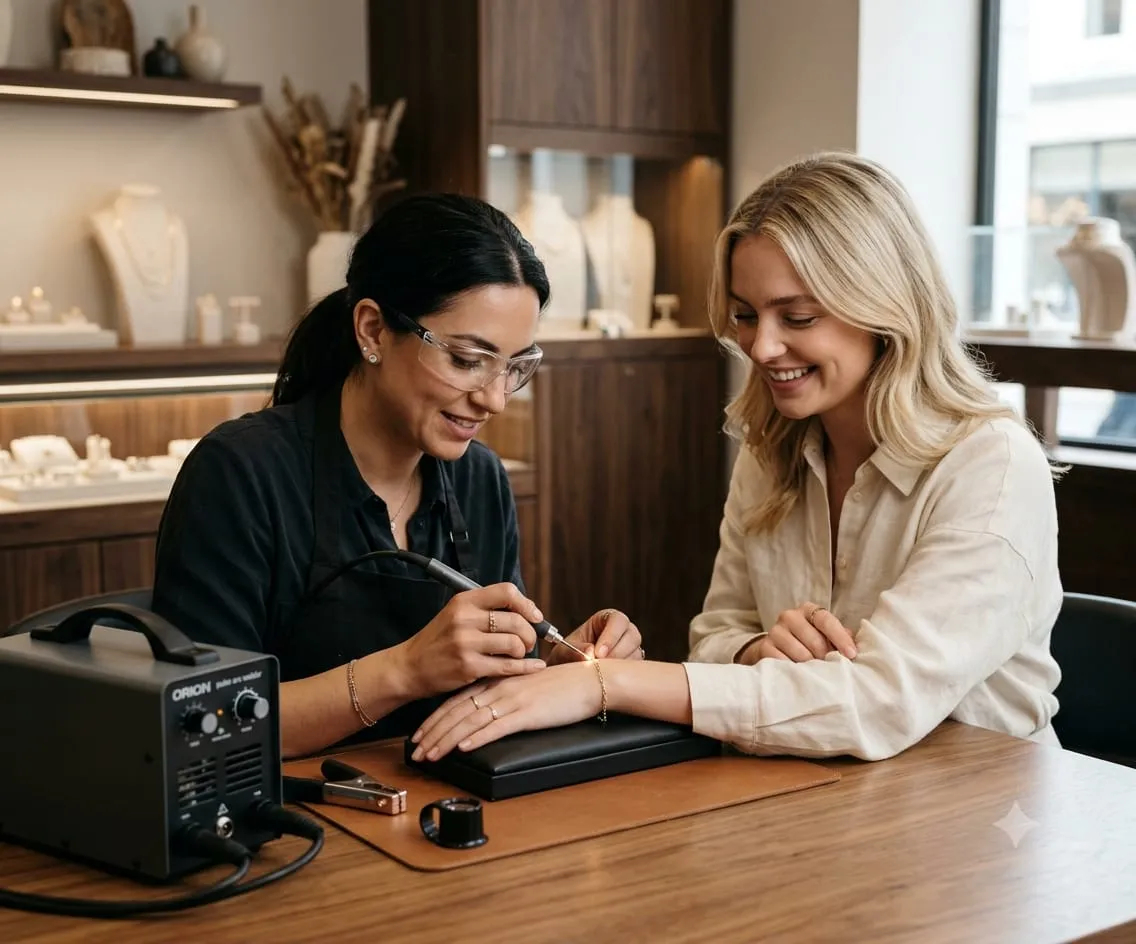
Once you’re happy with the fit, the jeweler joins the two ends of the chain using a tiny metal connector called a jump ring. A pulse arc welding machine then sends a small electrical spark that permanently seals the ring shut. You can learn more about the permanent jewelry welding process and what to expect during a professional appointment.
The entire welding process takes only about a second, and the spark is directed solely at the metal, it never touches your skin. Because of this, most people feel little to no discomfort during the process.
Step 4: Final Inspection
After the weld is complete, the jeweler inspects the connection to confirm it’s smooth, secure, and free of rough edges. They’ll typically clean the piece before you leave the studio.
Once this final check is done, your permanent jewelry is ready to wear right away.
Is Permanent Jewelry Really Permanent?
This is one of the most common questions people ask before booking an appointment that what is permanent jewelry and is it actually a permanent so the simple answer is no. Permanent jewelry isn’t truly permanent. The name refers to the absence of a clasp, not to the idea that the piece can never be taken off.
If you ever want it removed, a jeweler can cut the small welded jump ring in just a few seconds. Some people even remove their own jewelry at home using small cutters, though visiting a professional is generally the safer route.
Many studios also offer a rewelding service. As long as your chain is still in good condition after removal, they can reconnect it so you can wear it again.
This flexibility is part of what makes permanent jewelry appealing and you get the clean, seamless look of a welded piece while still having the freedom to take it off whenever life calls for it.
Types of Permanent Jewelry
When people picture permanent jewelry, a bracelet is usually what comes to mind first. Bracelets are indeed the most popular style, but they’re far from the only option many studios now offer several formats to suit different preferences and lifestyles. Every type is custom-fitted and welded closed, giving you a seamless piece designed for daily wear.
Permanent Bracelets
Permanent bracelets are the most requested style, fitted snugly around the wrist and welded shut without any clasp. Many people choose them to mark special moments such as birthdays, anniversaries, friendships, and graduations are all popular reasons — while others simply love their clean, minimalist look. Because they’re lightweight and comfortable, permanent bracelets blend easily into everyday life.
Permanent Anklets
Permanent anklets follow the same seamless approach but sit around the ankle instead of the wrist. They tend to be especially popular in spring and summer, when sandals and shorter hemlines make them more visible. Like bracelets, anklets are carefully measured so they stay comfortable without feeling restrictive.
Permanent Necklaces
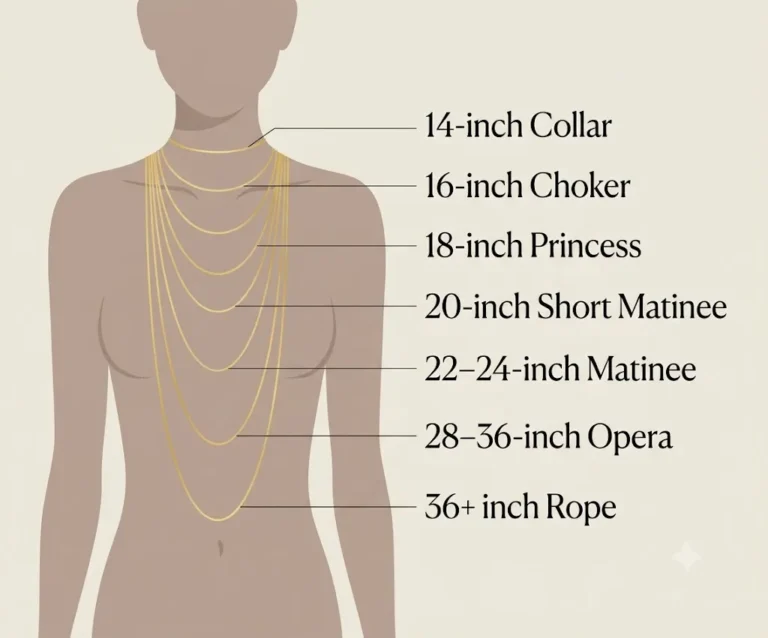
A permanent necklace suits anyone who tends to wear the same necklace every single day. Because a welded necklace can’t be adjusted later, getting the measurement right matters more than usual, therefore this guide of necklace lengths explains how each standard length sits and which suits different necklines.
Instead of dealing with a clasp, the necklace simply stays securely in place at all times. Many people choose to add a small pendant or charm to give the piece a more personal touch.
Permanent jewelry comes in a wide range of chain styles, from delicate, minimalist designs to bolder statement pieces. Many wearers opt for a simple chain that pairs easily with watches, rings, and other layered jewelry, while others prefer distinctive patterns or personalized charms that reflect their individual style.
Permanent Rings
Permanent rings are less common than bracelets or necklaces, but some jewelers do offer them. Because fingers naturally swell and shrink throughout the day, careful, professional sizing is especially important to get a comfortable, lasting fit.
Materials Commonly Used in Permanent Jewelry
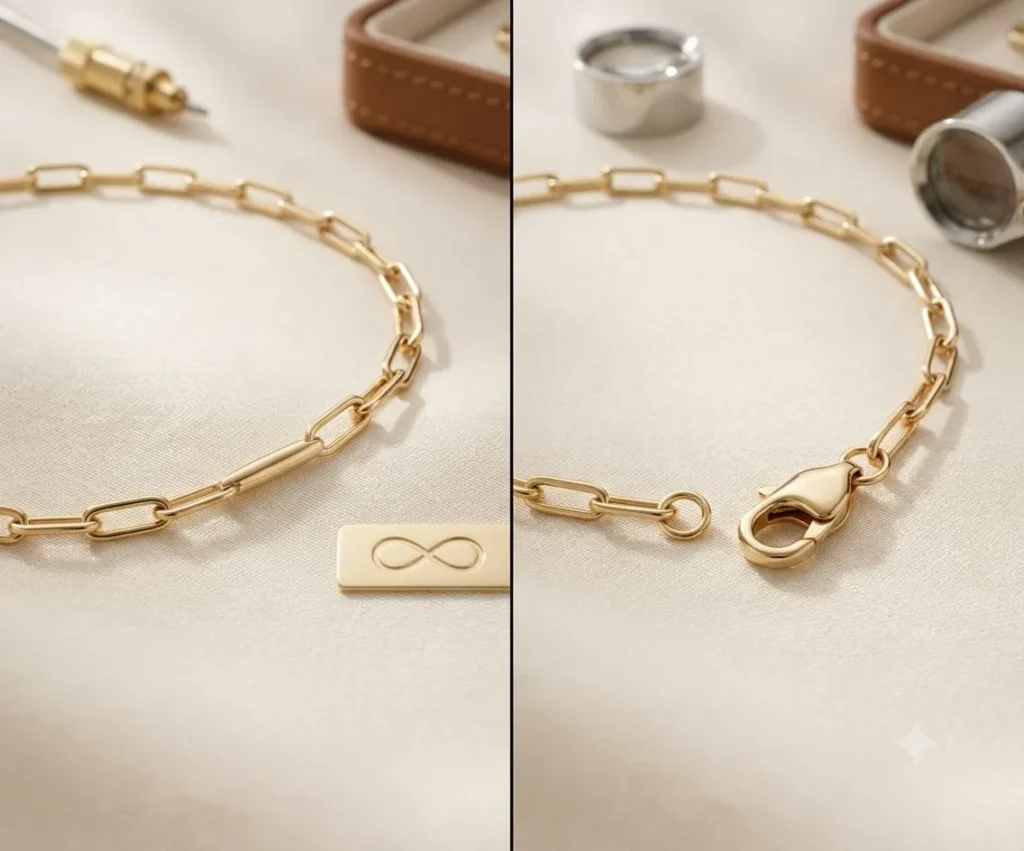
The metal you select has a major impact on how your jewelry looks, feels, and holds up over time and it also plays a big role in the final price. Since permanent jewelry is meant for everyday wear, most jewelers recommend investing in a high-quality metal from the start.
14K Solid Gold
Solid 14K gold is one of the most popular materials for permanent jewelry. It blends pure gold with stronger metals, giving it the durability needed for daily wear while still keeping its signature shine.
Benefits of 14K gold include:
- Excellent durability
- Highly resistant to tarnishing
- Suitable for long-term daily wear
- Lower risk of skin irritation
- Holds its value over time
While it costs more upfront than other options, many wearers see solid gold as a worthwhile long-term investment given its lifespan.
Gold-Filled Jewelry
Gold-filled jewelry features a thick layer of real gold permanently bonded to a base metal. Unlike gold-plated pieces, gold-filled chains contain significantly more gold, which makes them noticeably more durable.
Benefits of gold-filled jewelry include:
- More affordable than solid gold
- Attractive appearance
- Good resistance to fading
- Suitable for everyday wear with proper care
For many first-time buyers, gold-filled jewelry hits a sweet spot between quality and affordability.
Sterling Silver
Sterling silver remains a go-to choice for permanent jewelry thanks to its bright, elegant finish and lower price point compared to gold. It also pairs well with a wide range of styles and other accessories.
Benefits of sterling silver include:
- Lower purchase cost
- Classic silver finish
- Lightweight and comfortable
- Easy to polish when needed
Keep in mind that sterling silver can tarnish over time, particularly with regular exposure to moisture or certain chemicals. Routine cleaning helps it keep its shine.
Platinum
Some luxury studios also offer platinum chains for permanent jewelry. Platinum is prized for its strength, natural white tone, and outstanding resistance to everyday wear. It’s one of the pricier options available, but it’s also one of the most durable choices on the market.
How to Choose the Best Metal
The right material ultimately comes down to your budget, lifestyle, and personal style preferences. If durability is your top priority, solid 14K gold is usually the go-to option. If you want a balance of quality and price, gold-filled jewelry is an excellent middle ground. And if you love the look of silver and don’t mind occasional upkeep, sterling silver offers great overall value.
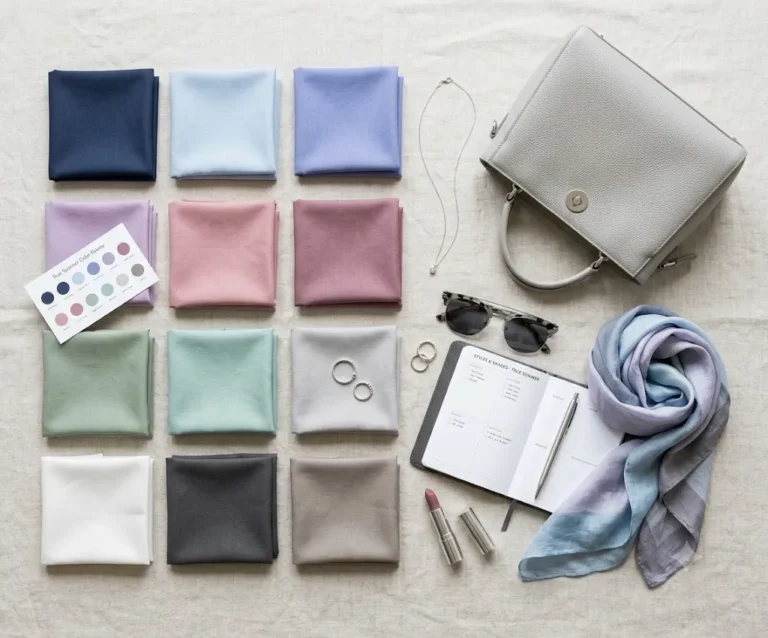
Metal choice is also worth matching to your natural coloring. Cool, high-contrast dark winter colors pair naturally with silver, platinum, and white gold. Before committing, it’s worth asking your jeweler about each material’s durability, maintenance needs, and any warranty options available.
How Much Does Permanent Jewelry Cost?
One of the first questions people ask is how much permanent jewelry actually costs. The answer depends on several factors the metal you choose, the chain style and length, and any custom add-ons like charms.
In the United States, most permanent jewelry falls within these general price ranges:
| Jewelry Type | Typical Price Range (USD) | Best For |
| Sterling Silver Bracelet | $50–$100 | Budget-conscious buyers |
| Gold-Filled Bracelet | $80–$150 | Best value for everyday wear |
| 14K Solid Gold Bracelet | $150–$400+ | Long-term investment & durability |
| Permanent Anklet | $70–$250+ | Everyday or summer wear |
| Permanent Necklace | $120–$500+ | Daily wear with a seamless look |
| Charms & Connectors | $20–$100+ each | Personalization and gifting |
Prices vary from studio to studio and can shift with the current market value of precious metals.
What Affects the Price?
Several factors combine to determine what you’ll ultimately pay for your permanent jewelry.
Metal Type. Higher-quality metals cost more because they offer better long-term durability and performance. A solid gold bracelet, for example, will typically cost far more than a comparable sterling silver piece.
Chain Style. Simple, minimalist chains generally cost less than detailed or designer styles. Heavier chains also require more metal, which increases the overall price.
Chain Length. Longer bracelets, anklets, and necklaces require more material, which directly affects the final cost. Since every piece is custom-fitted, no two customers necessarily pay the exact same amount.
Charms and Connectors. Adding birthstones, initials, gemstones, or decorative charms increases the total price, but many people find the extra personalization worth it.
Jeweler’s Experience. An experienced jeweler brings accurate sizing, strong welds, and better overall craftsmanship to the table. Their services may cost a bit more, but they typically deliver a better long-term result.
Your daily routine is also worth factoring in before you commit. If you work in healthcare, construction, manufacturing, or another field where jewelry could pose a safety risk, it’s worth checking your workplace policy first. For most office jobs and everyday routines, though, permanent jewelry fits in without any issues.
Is Permanent Jewelry Worth It?
For many people, the answer is yes. Permanent jewelry offers more than just a fashionable accessory — it delivers a personalized experience and creates a meaningful keepsake you can wear every single day.
Plenty of customers appreciate never having to fumble with a clasp or remember to put jewelry on each morning. Beyond convenience, the piece can also come to represent important relationships, milestones, or personal achievements.
That said, whether it’s worth it really depends on your lifestyle. If you love switching up your jewelry daily, a permanent piece might feel too limiting. But if you already tend to wear the same bracelet or necklace all the time anyway, a permanent version can be both convenient and stylish.
Before booking an appointment, take a moment to think through your daily activities, preferred metal, and budget. Choosing the right material and a skilled jeweler will help you enjoy the piece for years to come.
| Pros | Cons |
| No clasp to fasten or remove | Requires cutting the jump ring for removal |
| Custom-fitted for comfort | Higher upfront cost than standard jewelry |
| Ideal for everyday wear | Not suitable if you like changing jewelry often |
| Symbolic and meaningful | Fine chains can break if snagged |
| Easy to personalize with charms | Some workplaces or medical procedures require removal |
Benefits of Permanent Jewelry
Permanent jewelry brings together comfort, convenience, and personal meaning in a single custom-fitted piece. Here are some of its biggest advantages.
Comfortable for Everyday Wear: Because every piece is measured specifically to your body, permanent jewelry tends to feel natural from day one. A proper fit lets the chain move freely without ever feeling too tight or too loose.
No Clasp to Open or Close: Traditional bracelets and necklaces often come with small, fiddly clasps. Permanent jewelry eliminates that frustration entirely with a seamless design that stays securely in place at all times.
Personalized Experience: Each piece is measured and welded specifically for you, and many jewelers also offer charms, birthstones, initials, or decorative connectors to make the piece truly your own.
Meaningful Keepsake: Permanent jewelry often comes to represent important life moments — friendships, relationships, graduations, birthdays, weddings, and personal achievements are all common reasons people choose it. Because of this symbolism, many customers value the experience just as much as the jewelry itself.
Timeless Style: Simple chain designs pair easily with almost any outfit, whether you’re dressing casually or getting ready for an evening event with a cocktail attire dress code.
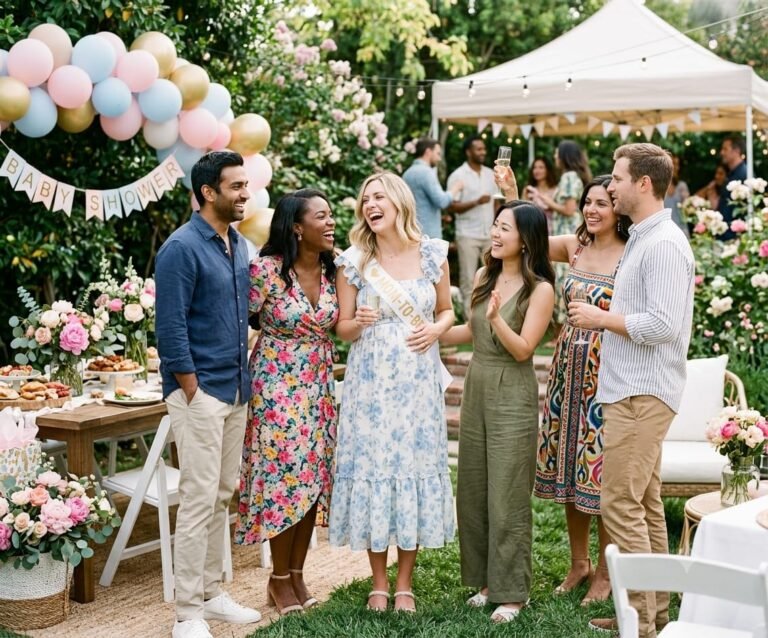
Some people also choose a piece as a quiet tribute to someone they’ve lost, wearing it to a celebration of life or other memorial gathering.
Potential Drawbacks of Permanent Jewelry
While permanent jewelry has plenty of upside, it isn’t necessarily the right fit for everyone. Understanding the possible downsides ahead of time can help you make a more informed decision.
Limited Flexibility. If you love changing up your jewelry daily, wearing one piece continuously may not suit your style — permanent jewelry is built for ongoing, uninterrupted wear.
Occasional Removal May Be Necessary. Even though the jewelry stays on through most everyday activities, certain situations may call for temporary removal. Some hospitals, for instance, may ask patients to remove metal jewelry before specific procedures, and certain workplaces with strict safety rules may require it as well.
Thin Chains Can Break. Like any fine jewelry, permanent chains aren’t indestructible. Pulling on the chain, catching it on clothing, or an accidental impact can cause it to stretch or break — choosing a high-quality chain and treating it with care can help reduce this risk.
Higher Initial Cost. Because each piece is custom-fitted and professionally welded, permanent jewelry typically costs more upfront than a standard clasp bracelet made from the same material. Even so, many customers feel the experience and craftsmanship justify the extra cost.
Daily Wear, Care, and Maintenance
One of the biggest perks of permanent jewelry is how little daily upkeep it requires. Still, a bit of routine care goes a long way toward keeping it looking its best for years.
Can You Shower With Permanent Jewelry?
Yes. Most permanent jewelry made from solid gold, gold-filled materials, or sterling silver can be worn safely in the shower. That said, soap residue, shampoo, and hard water minerals can build up on the chain over time, so cleaning it occasionally will help restore its shine.
Can You Swim With Permanent Jewelry?
In many cases, yes — though the type of water matters. In swimming pools, chlorine can gradually affect certain metals, especially sterling silver, so it’s a good idea to rinse your jewelry with clean water after each swim. In ocean water, saltwater can leave residue on the chain as well, and a quick rinse afterward helps keep it looking its best.
Can You Sleep With Permanent Jewelry?
Yes, permanent jewelry is designed to stay comfortable through the night, and most people stop noticing it after just a few days. If your chain feels uncomfortable while sleeping, it may be a sign that it’s fitted too tightly.
Can You Exercise While Wearing Permanent Jewelry?
Yes, many people wear their permanent jewelry during workouts, walking, running, yoga, and other regular activities without any issue. That said, contact sports or activities involving heavy lifting can increase the risk of the chain snagging, so if that sounds like your lifestyle, it’s worth asking your jeweler which chain style offers the most durability.
How to Clean Permanent Jewelry
Cleaning your jewelry only takes a few minutes and can be done right at home. Follow these simple steps:
- Mix warm water with a few drops of mild dish soap.
- Soak the jewelry for several minutes.
- Gently clean the chain using a soft toothbrush or jewelry brush.
- Rinse thoroughly with clean water.
- Dry with a soft microfiber cloth.
Avoid harsh chemicals, abrasive cleaners, and rough polishing materials, as these can dull the finish over time.
Does Permanent Jewelry Tarnish?
It depends on the metal. Solid gold offers excellent resistance to tarnishing and corrosion, making it one of the best choices for long-term daily wear. Gold-filled jewelry also resists tarnishing well when it’s properly cared for, and regular cleaning helps preserve its finish. Sterling silver, on the other hand, can naturally tarnish over time — fortunately, that tarnish can usually be removed through proper cleaning or professional polishing.
Can Permanent Jewelry Break?
Yes. Although it’s designed for daily wear, permanent jewelry is still made from fine chains, and it can break if it gets caught on clothing, is pulled with force, experiences repeated stress, or if the weld itself becomes damaged. Many studios offer repair or rewelding services as long as the chain is still in good condition, and choosing an experienced jeweler from the start can help reduce the risk of a weak weld.
Is Permanent Jewelry Safe?
For most people, permanent jewelry is considered safe when it’s applied by a trained professional using quality materials. The welding process is quick and tightly controlled, and it’s performed only on the small jump ring connecting the chain — never on the skin itself. Because of this, most customers feel little to no discomfort during the appointment.
What About Metal Allergies?
If you have sensitive skin or a known metal allergy, be sure to mention it to your jeweler before your appointment. Some metals are better suited for sensitive skin than others, and high-quality materials like solid gold and platinum are often a safer choice for people prone to reactions. Your jeweler can help guide you toward the right option based on your specific needs.
Medical Considerations
There may be occasions when you need to remove your permanent jewelry. Hospitals and imaging centers can have different policies regarding jewelry during MRI scans or certain surgical procedures, so it’s important to follow the instructions provided by your healthcare provider or medical facility.
Situations that may call for removal include:
- Certain MRI examinations
- Some surgical procedures
- Workplace safety requirements
- Activities involving heavy machinery
If removal becomes necessary, the welded jump ring can usually be cut in a matter of seconds, and many jewelers can reweld the same piece later if the chain is still in good condition.
How to Remove Permanent Jewelry
Although permanent jewelry is built for long-term wear, it can be removed whenever the need arises. The safest option is to return to the jeweler who originally installed it — they can cut the small welded jump ring without damaging the rest of the chain, and if the chain is still in good shape, many studios can weld it back together at a later date.
Some people choose to remove their jewelry at home using small cutters, but this should be done carefully to avoid damaging the chain. If you plan to wear the piece again in the future, store it in a small jewelry box or pouch until you’re ready to have it rewelded.
Permanent Jewelry vs. Traditional Jewelry
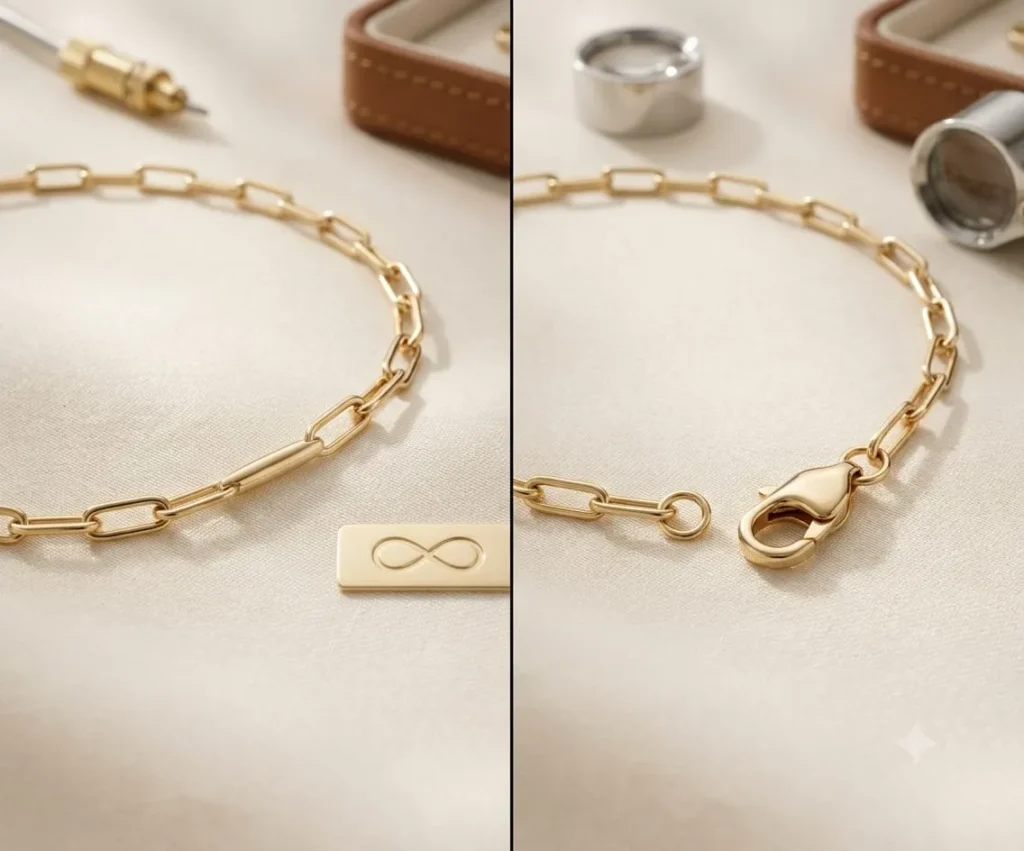
Both permanent jewelry and traditional jewelry come with their own strengths, and the right choice ultimately depends on your lifestyle, personal preferences, and how you like to wear your accessories.
If you tend to wear the same jewelry every single day, permanent jewelry is likely the better fit. But if you enjoy mixing and matching accessories with different outfits, traditional
| Choose Permanent Jewelry If… | Consider Traditional Jewelry If… |
| You wear the same jewelry every day | You like changing jewelry frequently |
| You want a symbolic keepsake | You prefer maximum flexibility |
| You dislike dealing with clasps | You remove jewelry every night |
| You want a custom-fitted piece | You prefer adjustable sizing |
| You value convenience over variety | You often work where jewelry must be removed |
jewelry will probably suit your style more. Think about how you naturally wear your jewelry day to day — that alone usually points you toward the right choice.
How to Choose the Right Jeweler
Choosing the right jeweler is just as important as choosing the right chain. Professional organizations encourage consumers to work with reputable jewelers who clearly explain the materials used, provide accurate sizing, and are ready to answer questions about care, repairs, and warranties. A skilled jeweler will help ensure your permanent jewelry fits comfortably and lasts for years to come.
Here are a few things worth checking before you book your appointment.
Experience. Ask how long the studio has been offering permanent jewelry services — an experienced jeweler is far more likely to deliver strong, clean welds and accurate sizing.
Quality Materials. Always ask what metals are used and look for high-quality options such as 14K solid gold, 14K gold-filled, sterling silver, or platinum, since better materials mean better durability and lower risk of irritation.
Chain Selection. A good studio should offer a range of chain styles, thicknesses, and finishes, giving you room to choose a design that matches both your style and your daily routine.
Repair and Rewelding Services. Ask whether the studio offers repair or rewelding services in case your chain breaks or needs temporary removal — many professional jewelers include this at a reduced cost.
Customer Reviews. Reading online reviews can give you a clearer sense of the jeweler’s workmanship, customer service, and overall experience, and consistently positive reviews are usually a good sign of reliable quality.
Frequently Asked Questions
Does permanent jewelry hurt?
No. The welding process only joins the small metal jump ring — it never touches your skin, so most people feel little to no discomfort.
How long does permanent jewelry last?
With proper care, high-quality permanent jewelry can last for many years. The exact lifespan depends on the material used, how often it’s worn, and how well it’s maintained.
Can permanent jewelry be resized?
Yes. If it no longer fits comfortably, a jeweler can t/y0pically remove it, adjust the chain length, and reweld it to the new size.
Can permanent jewelry stretch?
Fine chains can stretch slightly over time if they’re repeatedly pulled or put under heavy pressure, so it’s best to avoid snagging the chain on clothing or objects.
Can permanent jewelry rust?
No. Precious metals like gold, sterling silver, and platinum don’t rust, though sterling silver may naturally tarnish over time.
Can children get permanent jewelry?
Some studios do offer permanent jewelry for children, but policies vary by location. A parent or guardian is usually required, and the child should be old enough to safely wear jewelry every day.
Can I wear permanent jewelry through airport security?
In most cases, yes — fine jewelry typically doesn’t cause issues during screening, though procedures can vary by airport and country.
Will permanent jewelry set off metal detectors?
Most delicate bracelets and necklaces won’t trigger a metal detector, though security staff may still ask about any jewelry you’re wearing.
Can permanent jewelry be repaired?
Yes. If the chain breaks and the pieces remain intact, many jewelers can reweld or repair it.
Can I add charms later?
Yes. Many jewelers can add charms, birthstones, connectors, or other decorative elements during a future appointment.
Is permanent jewelry waterproof?
Most permanent jewelry can be worn while showering or swimming, though rinsing it with clean water after exposure to chlorine or saltwater helps preserve its appearance over time.
Is permanent jewelry worth the money?
Many people believe it is, since it combines custom craftsmanship, everyday convenience, and personal meaning. Whether it’s worth the investment ultimately depends on your lifestyle and preferences.
Expert Tips Before Getting Permanent Jewelry
Before scheduling your appointment, keep these tips in mind:
- Choose a reputable jeweler with experience in permanent jewelry.
- Select a high-quality metal that suits your budget and lifestyle.
- Make sure the chain feels comfortable before it is welded.
- Ask about repair and rewelding services.
- Discuss any metal allergies before choosing your material — people with known sensitivities should talk through material options with their jeweler, since high-quality precious metals are often better tolerated, though individual reactions vary.
- Consider your work environment and hobbies if they involve heavy lifting or machinery.
- Keep your receipt or warranty information in case you need future repairs.
- Clean your jewelry regularly to maintain its shine.
Taking these simple steps upfront can help you enjoy your permanent jewelry for many years to come.
What to Remember
- Permanent jewelry is custom-fitted and welded instead of using a clasp.
- Despite its name, it can be safely removed when necessary.
- High-quality materials such as solid gold, gold-filled jewelry, sterling silver, and platinum offer the best long-term durability.
- Proper care and regular cleaning help maintain your jewelry’s appearance.
- Choosing an experienced jeweler is one of the most important factors in getting a comfortable fit and a secure weld.
Conclusion
One thing becomes clear after looking at how permanent jewelry is made, fitted, and cared for: its popularity isn’t just driven by social media trends. People continue choosing it because it combines personal meaning with everyday convenience in a way that traditional jewelry often doesn’t.
One pattern you’ll notice across experienced jewelers is that the best long-term results rarely depend on the welding itself. They depend on choosing the right metal, getting an accurate fit, and working with a jeweler who takes the time to explain the process, answer questions, and provide guidance on aftercare. Those factors have a much bigger impact on your overall experience than simply selecting the most expensive chain.
If you’re considering permanent jewelry, don’t focus only on style or price. Compare the metals available, ask about repair and rewelding services, understand how the jewelry fits into your daily routine, and choose a reputable jeweler who prioritizes quality workmanship.
When approached thoughtfully, permanent jewelry can become more than another accessory. It can be a comfortable, long-lasting piece that marks an important memory while fitting naturally into your everyday life.