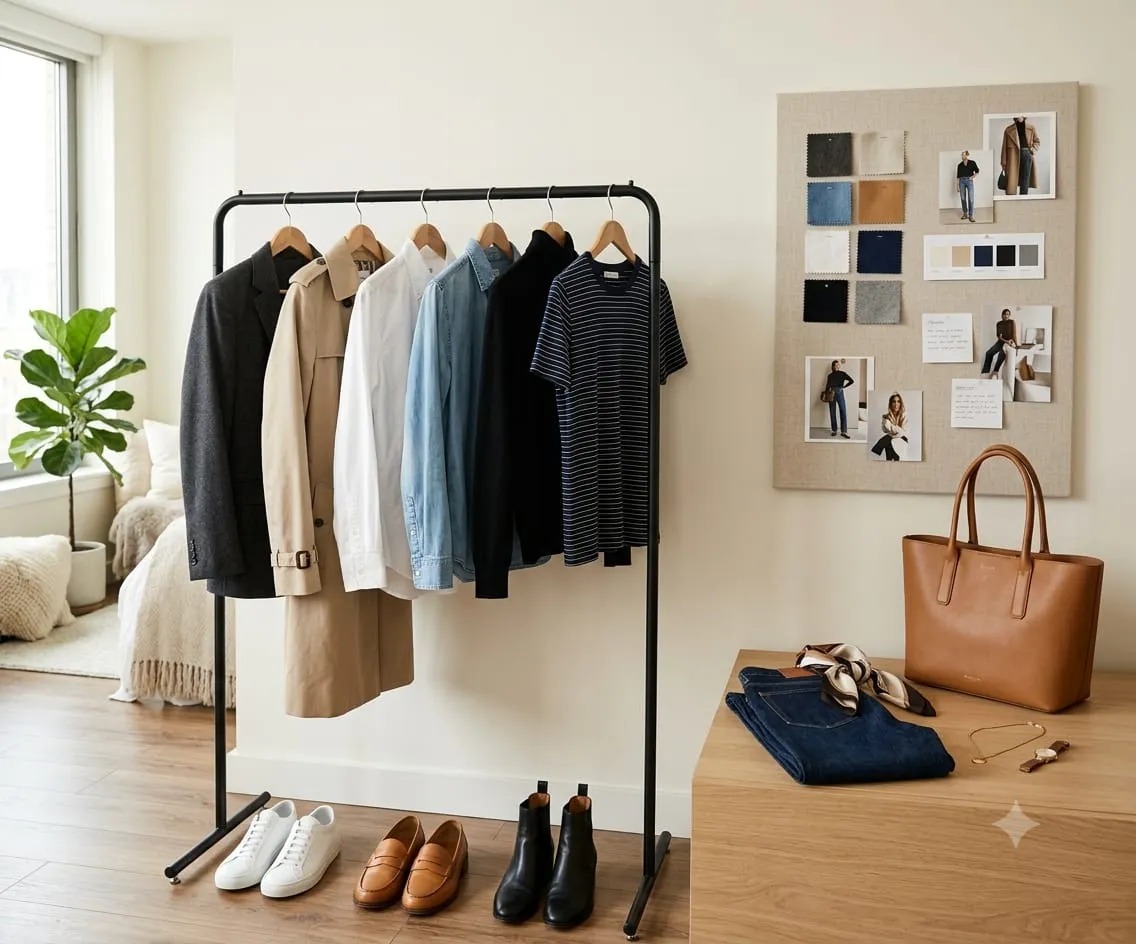
How to Find Your Style: A Beginner’s Guide to Building a Look That Feels Like You
Have you ever looked at a full closet and still felt like you had nothing to wear?
You try on one outfit after another, but something always feels off. Maybe the clothes don’t fit the way you expected. Maybe they looked great on someone else but not on you. Or perhaps your wardrobe is full of impulse purchases that never seem to work together.
If that sounds familiar, you’re not alone.
Many people believe finding their style means following fashion trends or buying expensive clothes. In reality, personal style is much simpler than that. It is about understanding what suits your body, matches your lifestyle, and makes you feel comfortable and confident.
One pattern you’ll notice is that people with a strong sense of style rarely own the biggest wardrobes. Instead, they understand what works for them and make thoughtful choices over time. They buy with purpose, wear their clothes often, and build outfits that reflect who they are instead of chasing every new trend.
The good news is that personal style is not something you are born with. It is a skill you develop through observation, experimentation, and experience. Every outfit you wear teaches you something about your preferences, and every shopping decision helps you refine your wardrobe.
In this guide, you’ll learn how to find your style step by step. From discovering inspiration and understanding your body shape to building a versatile wardrobe and shopping more intentionally, these practical tips will help you create a style that feels authentic, lasts beyond seasonal trends, and grows with you.
| Key Takeaway | Why It Matters |
| Personal style is built, not born. | It develops through practice and experimentation. |
| Choose clothes that fit your lifestyle. | Your wardrobe should support your daily routine. |
| Focus on fit before trends. | Well-fitting clothes usually look better than trendy ones. |
| Invest in versatile basics. | They make creating outfits easier. |
| Let your style evolve. | Your preferences will change over time. |
Why Your Personal Style Matters
Learning how to find your style isn’t just about looking fashionable; it’s about making everyday life simpler and feeling genuinely good in what you wear. Understanding your personal style can also help you make more intentional choices about the clothes you buy and wear.
When you know your style, shopping stops being a guessing game. You stop bringing home pieces that end up sitting in the closet with the tags still on, and instead choose clothes that actually work together and fit your routine.
A clear sense of style also saves time. Because your wardrobe already matches your needs, you spend less time deciding what to wear each morning, which cuts down on stress and helps you start the day feeling prepared.
Style is also a quiet form of self-expression. Without saying a word, your clothing choices communicate your personality, interests, and values — whether you lean toward classic pieces, modern basics, bold colors, or relaxed everyday outfits.
Most importantly, dressing in a way that suits your taste tends to boost confidence. When you feel comfortable in what you’re wearing, it’s easier to focus on work, social events, or whatever the day brings.
It’s worth remembering that personal style isn’t about copying influencers or chasing every trend. Trends come and go, but your style should evolve with you. The real goal is a wardrobe that feels natural, practical, and unmistakably yours.
Personal Style vs. Fashion Trends
Many people assume personal style and fashion trends are the same thing, but they’re actually quite different.
A fashion trend is popular for a limited stretch of time. Trends shift with each season as designers, brands, and influencers introduce new looks, and some fade out again within just a few months.
Personal style, on the other hand, reflects your personality, lifestyle, and preferences, and it tends to stay consistent even as trends change around it. You might, for example, always gravitate toward neutral colors, tailored blazers, or comfortable sneakers — choices that become your signature look regardless of whether they happen to be trending.
That doesn’t mean trends should be ignored entirely. It’s often more useful to treat them as inspiration: if a trend fits naturally into your personal style, give it a try, and if it doesn’t, feel free to skip it.
The goal is a wardrobe that feels authentic to you, where trends support your style rather than define it.
When personal style comes first, shopping gets easier overall. You end up buying fewer clothes, making better decisions, and creating outfits that still look great long after a particular trend has faded away.
Pinpoint What You Like
The first real step in learning how to find your style is understanding what you already gravitate toward. It’s tempting to jump straight into shopping, but it’s far more effective to figure out your preferences first.
Take a few quiet minutes to think about the outfits that make you feel your best — the pieces you reach for often or the ones that consistently make you feel confident. A few simple questions can help surface these patterns:
- Which outfits make me feel comfortable?
- What colors do I enjoy wearing?
- Do I prefer fitted or relaxed clothes?
- Which fabrics feel best on my skin?
- What outfits receive compliments because they feel like “me”?
Your answers will start to reveal patterns, and those patterns form the foundation of a wardrobe that actually feels like yours.
There’s no need to worry if your taste feels mixed. It’s completely normal to love classic blazers, relaxed jeans, and colorful sneakers all at once — personal style doesn’t have to fit neatly into a single category, since it’s meant to reflect your personality and the way you actually live.
Rather than following every new trend, the more useful approach is to focus on the clothes you genuinely enjoy wearing. Trends shift with the seasons, but your personal preferences tend to stay far more consistent over time.
Discover Your Fashion Sense Through Inspiration
Once you have a sense of what you like, the next step is gathering inspiration. Looking through different outfits helps sharpen your understanding of your own style and sparks ideas for future looks.
Pinterest is one of the easiest places to begin, though saved photos from Instagram, fashion magazines, or clothing websites work just as well. Creating a dedicated folder or mood board to collect outfits that catch your eye is a great way to keep everything organized.
It helps to save images because they genuinely stop you in your tracks — not simply because they’re popular. After collecting somewhere between 30 and 50 images, take time to review them carefully, asking:
- Which colors appear the most?
- Do I prefer neutral or bold outfits?
- Am I drawn to casual, elegant, sporty, or creative looks?
- What types of jackets, pants, dresses, or shoes appear often?
- Which accessories show up again and again?
More often than not, you’ll notice that your favorite outfits share strikingly similar features. These recurring details reveal your personal style far more clearly than any online quiz ever could.
It also helps to follow people whose style feels realistic and relatable, rather than aspirational in an unattainable way. Instead of copying every outfit outright, pay attention to how they combine colors, layer clothing, or use accessories, and adapt those ideas to fit your own taste.
Create a Personal Style Mood Board
A mood board is one of the simplest ways to organize your ideas, and it gives you a clear visual picture of the style you’re working toward.
Your mood board can include a range of elements — everyday outfits, color combinations, shoes, bags, jewelry, hairstyles, fabrics, and patterns.
As your collection grows, it’s worth removing images that no longer match your taste. Over time, the board becomes a genuinely useful visual guide that helps you make smarter shopping decisions.
Look for Common Themes
The final step in this phase is identifying the patterns running through your inspiration board.
You might notice, for instance, that you’re consistently drawn to neutral colors like white, beige, black, and navy, along with oversized shirts, relaxed trousers, tailored blazers, simple gold jewelry, and white sneakers or classic loafers.
Or your board might reveal the opposite — a pull toward bright colors, vintage denim, floral prints, statement accessories, and bold textures.
There’s no right or wrong answer here. The goal is simply to recognize what naturally attracts you, rather than trying to dress like someone else.
Once these patterns become clear, shopping becomes noticeably easier. You can focus on buying pieces that genuinely match your personal style instead of making impulse purchases, and over time, every new item will fit naturally into your wardrobe — making it easier to mix, match, and build outfits you actually enjoy wearing.
Discover Your Style Personality
As you gather inspiration, you’ll likely notice that your favorite outfits share recurring details. These patterns can help you identify your broader style personality.
Your style personality isn’t a label meant to box you in — it’s simply a guide that helps clarify the clothes you naturally gravitate toward.
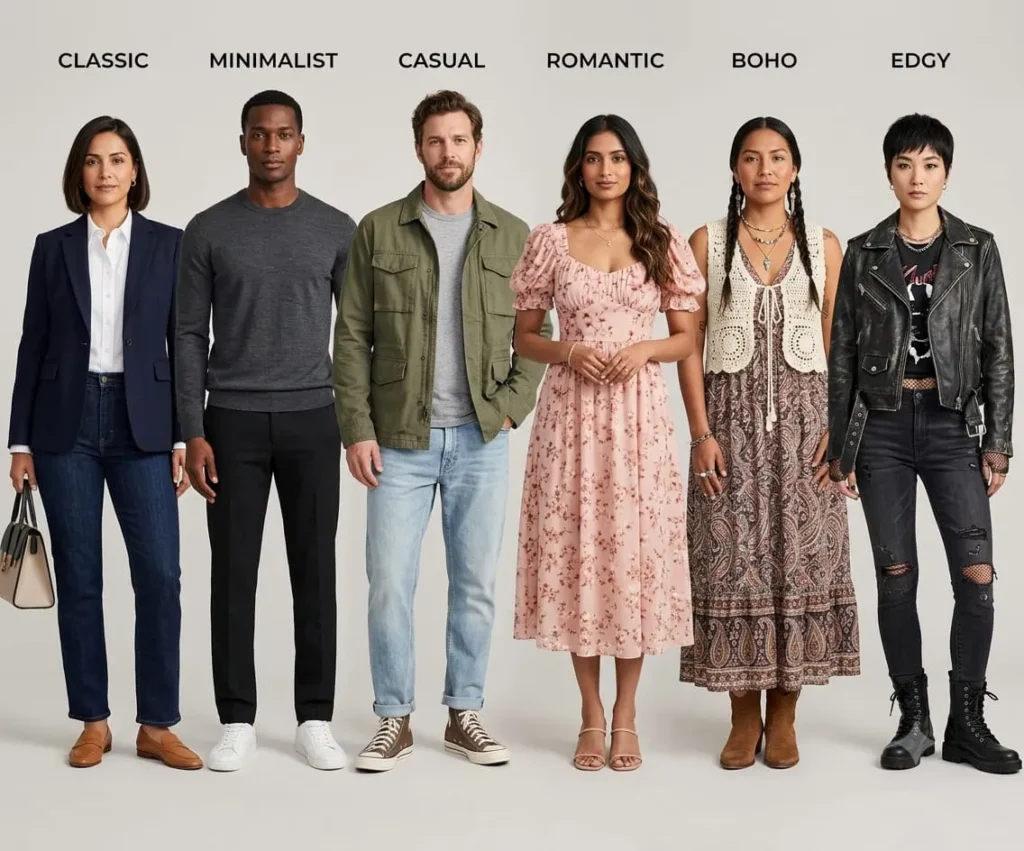
Here are some of the most common style personalities:
Classic You enjoy timeless clothing that never goes out of style. Blazers, white shirts, straight-leg trousers, and loafers are often wardrobe favorites.
Minimalist You prefer clean lines, neutral colors, and simple outfits. Quality matters more than quantity, and your wardrobe is easy to mix and match.
Casual Comfort comes first. You enjoy jeans, sneakers, T-shirts, hoodies, and relaxed fits that work for everyday life.
Romantic Soft fabrics, delicate details, floral prints, and flowing silhouettes define this style. You may also enjoy lace, ruffles, or pastel colors. Sleeve shape carries a lot of this ruffle, bishop, and butterfly sleeves read romantic in a way a plain set-in sleeve doesn’t.
Boho Natural fabrics, earthy colors, loose silhouettes, and handcrafted accessories are common features of a bohemian wardrobe.
Edgy Leather jackets, darker colors, bold accessories, and modern silhouettes help create a confident and expressive look.
It’s worth remembering that most people don’t fit neatly into just one category — combining elements from several style personalities is the norm, and it’s exactly what makes a personal look feel unique.
| Style | Key Traits | Typical Pieces |
| Classic | Timeless, polished | Blazer, loafers, white shirt |
| Minimalist | Clean, simple | Neutral basics, straight-leg trousers |
| Casual | Relaxed, comfortable | Jeans, sneakers, T-shirts |
| Romantic | Soft, feminine | Floral dresses, lace details |
| Boho | Free-spirited | Maxi dresses, earthy tones |
| Edgy | Bold, modern | Leather jacket, boots |
Assess Your Lifestyle and Needs
A beautiful wardrobe only has value if it actually fits your daily life. Before buying anything new, it helps to think honestly about how you spend most of your time, since your wardrobe should support your routine rather than work against it.
Take a moment to picture a typical week and ask yourself a few questions: Do I work in an office or from home? Do I attend school or college? How often do I go to social events? Do I travel often? What activities fill most of my week?
Your answers will guide you toward a wardrobe that’s both stylish and genuinely practical. Someone working in a business setting, for example, may need more blazers, trousers, and smart shoes, while someone working mostly from home might get far more use out of comfortable basics, knitwear, and relaxed pants.
The underlying goal is to own clothes that match your real life rather than an idealized version of it. Many wardrobes end up cluttered with special-occasion outfits that rarely get worn, while everyday essentials stay in short supply.
Build Your Wardrobe Around Your Daily Routine
One helpful method is dividing your wardrobe based on how often you actually need each type of clothing:
- Everyday casual wear
- Work or school outfits
- Exercise or activewear
- Evening or special occasion clothes
- Seasonal outerwear
The special-occasion category is where people most often over- or under-buy. One outfit that meets the cocktail dress code covers most weddings, receptions, and evening events you’ll be invited to. There’s no need to own the same number of items in every category instead, build your wardrobe around whichever categories you actually reach for most often.
Think About Your Climate
Weather plays a bigger role in style than many people realize. If you live somewhere warm, breathable fabrics like cotton and linen will keep you comfortable throughout the day, while colder climates call for quality knitwear, jackets, coats, and boots.
Choosing clothes suited to your environment means you’ll actually wear them more often, which translates into far better value from every purchase.
Choose Comfort Without Giving Up Style
A common misconception is that comfort and style are somehow opposing goals, when in reality, the best outfits deliver both. It’s worth paying close attention to fabrics that feel genuinely comfortable, clothes that allow free movement, shoes you can wear for hours, and pieces that are easy to mix and match. Once your clothes truly fit your lifestyle, getting dressed becomes simple — even enjoyable.
Know What Works for Your Body
Every body is different, and understanding what works for your shape can go a long way toward helping you feel confident in what you wear.
This isn’t about following rigid fashion rules — it’s about understanding balance, proportion, and fit, and paying more attention to how a piece looks and feels on you than to the number on its label.
Learn Your Body Shape
Many people find it useful to understand their general body shape as a starting reference point. Common categories include hourglass, pear, apple, rectangle, and inverted triangle.
These categories are meant to serve as guides, not rules that limit your choices. Using them can help you identify which necklines, trousers, or jacket styles tend to make you feel more balanced and comfortable.
Focus on Fit First
Even expensive clothing can look unflattering if it doesn’t fit properly. When trying something on, it helps to ask whether the shoulders sit correctly, whether the waist feels comfortable, whether you can move easily, and whether the sleeves and trouser length are right. In most cases, good fit matters far more than brand name or price tag.
Do Not Be Afraid of Tailoring
Small adjustments can transform how a garment looks and fits. A tailor can shorten sleeves, adjust trouser length, improve the waist fit, or reshape jackets and dresses — and a simple alteration is often enough to make an affordable item look custom-made.
Experiment With Different Silhouettes
The only real way to discover what suits you is to try a range of different styles — straight-leg and wide-leg trousers, oversized and fitted shirts, cropped and long jackets, varying skirt lengths, and different necklines. Some pieces that look unremarkable on a hanger can end up being genuine surprises once you actually put them on. How you wear a piece counts as much as its cut. A french tuck changes the proportions of a shirt you already own, without buying anything.
Remember That Confidence Comes First
Body shape guides are useful tools, but they should never stop you from wearing something you genuinely love. If an outfit makes you feel confident, comfortable, and true to yourself, it deserves a place in your wardrobe. The point of finding your personal style was never to hide your body — it’s to wear clothes that help you feel your best every day.
Define Your Color Palette
Color is one of the simplest ways to give a wardrobe a polished, cohesive look. When your clothes share a similar palette, outfits come together far more easily, which means less time spent deciding what to wear.
That doesn’t mean wearing the same colors every day — the goal is to choose shades that make you feel confident and that mix and match with ease.
Start With Neutral Colors
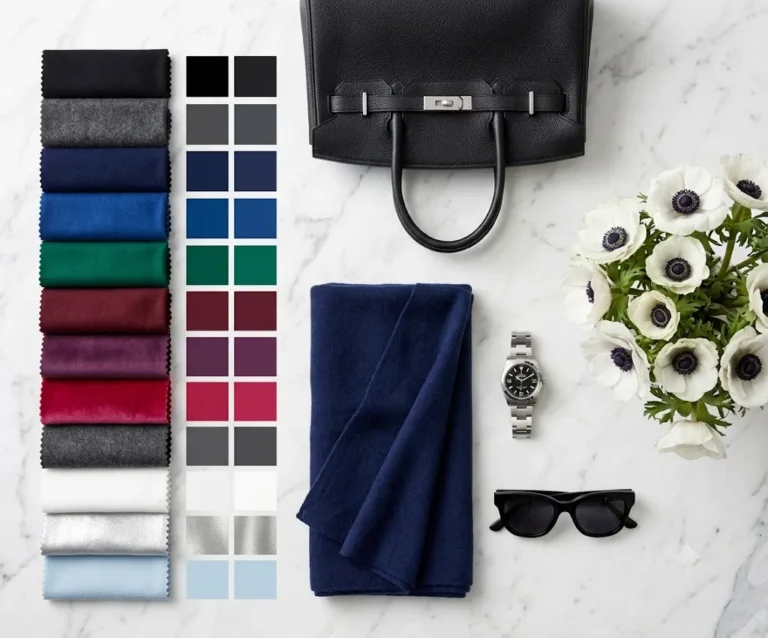
A strong wardrobe usually starts with neutral shades, since these colors work in every season and pair well with almost anything. Popular neutral colors include black, white, gray, navy, beige, cream, and brown.
Neutral pieces are ideal for everyday wear, and they also allow brighter colors to stand out without making an outfit feel overwhelming or busy.
Complete a Wardrobe Audit
Before buying anything new, it’s worth taking a closer look at what you already own. A wardrobe audit clarifies which items actually get worn regularly and which ones are simply taking up space — and it also reveals gaps, which makes future shopping far more focused.
Start by taking everything out of your closet, then sort each item into one of the following groups:
- Keep
- Donate
- Sell
- Repair
- Tailor
As you review each piece, ask yourself a few honest questions: Have I worn this in the last year? Does it fit well? Is it comfortable? Does it match my personal style? Can I wear it with other items in my wardrobe? If the answer is “no” to most of these, it’s probably time to let that item go.
A wardrobe audit often uncovers surprising gaps — you might discover that you already own plenty of jeans but genuinely need better shoes, stronger basics, or a lightweight jacket. Cleaning out your wardrobe before shopping tends to save money and lead to noticeably smarter choices.
Find Colors That Suit You
Everyone has certain colors that make them look more vibrant and put-together. Seasonal colour analysis formalises exactly this. If cool, deep shades consistently make your skin look clearer, the dark winter colour palette is a useful starting point. The right shade can brighten your complexion and help an entire outfit feel more balanced.
While trying different colors, it helps to notice how you actually feel — does the color make your skin look healthy, does it bring out your eyes or hair color, and do you feel genuinely confident wearing it? Natural light is the best place to judge this, since a shade that looks great under store lighting can appear completely different outdoors.
Add Accent Colors
Once you have a solid collection of neutral basics, it’s worth adding a few accent colors that reflect your personality and the options like emerald green, burgundy, mustard yellow, soft pink, olive green, or sky blue work well. Which of those actually flatters you comes down to undertone mustard and olive belong to warm, muted palettes like soft autumn, while emerald and burgundy sit in the cool, deep range.
These colors are especially effective in shirts, dresses, shoes, scarves, or handbags, adding interest to an outfit without overwhelming the rest of the wardrobe.
Keep Your Palette Simple
A small, consistent color palette makes shopping considerably easier. Before buying something new, it helps to ask whether it actually works with the clothes you already own — if the answer is yes, you’ll gain more outfit options without needing to buy more clothes.
Own Quality Basics but Take Chances
Every stylish wardrobe starts with a set of reliable basics — the pieces you reach for again and again because they’re comfortable, versatile, and easy to style. Basics aren’t boring; they form the foundation for almost every outfit you’ll ever put together.
Some wardrobe essentials worth having include:
- A white T-shirt
- A well-fitting pair of jeans
- A classic button-down shirt
- A neutral blazer
- Comfortable sneakers
- A simple knit sweater
- A versatile jacket
These pieces work equally well on their own or paired with trendier items.
Choose Quality Over Quantity
Buying fewer, better-made clothes often saves money in the long run. When shopping, it’s worth checking fabric quality, stitching, fit, comfort, and durability, since a quality item that lasts for years is usually a far better investment than several cheap pieces that wear out quickly.
Step Outside Your Comfort Zone
Basics create balance, but they shouldn’t be the limit of your style. Once your wardrobe has a strong foundation, it’s worth trying something different — a printed shirt, a colorful handbag, a textured jacket, a bold pair of shoes, or a unique accessory. Introducing one new piece at a time makes experimenting feel far less intimidating, and there’s no need to overhaul an entire wardrobe overnight — small changes often have the biggest impact.
Build a Capsule Wardrobe
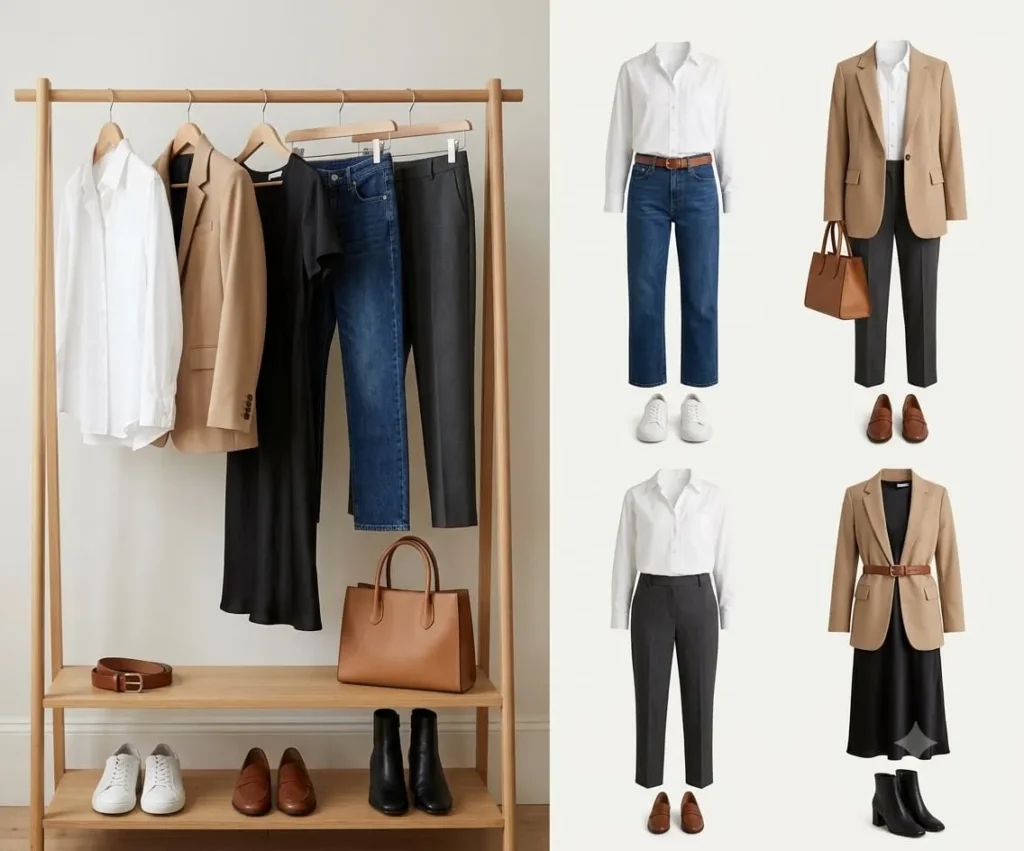
A capsule wardrobe is a collection of versatile clothes that work well together. Rather than owning many items you rarely wear, the focus shifts to pieces you truly love and reach for often. The goal isn’t simply to own fewer clothes — it’s to own the right clothes.
Choose Versatile Pieces
Every item in a capsule wardrobe should pair well with several others. A single blazer, for instance, should ideally work with jeans, tailored trousers, dresses, and skirts alike. The more combinations a piece can create, the more valuable it becomes.
Shop With a Plan
Before buying anything, it helps to ask: Can I wear this in different seasons? Does it match my color palette? Can I style it in at least three ways? Does it fit my lifestyle? Will I still enjoy wearing it next year? If the answer is no to most of these, it’s probably not the right purchase.
Avoid Impulse Buying
Cluttered wardrobes often trace back to impulse purchases. Rather than buying something simply because it’s on sale or trending, it helps to give yourself time to think — waiting a day or two before committing is a good habit, and if you still want the item and can picture wearing it often, it’s far more likely to be a smart addition.
Let Your Wardrobe Grow Naturally
There’s no need to replace everything at once. Building a personal style takes time, and adding pieces slowly — while learning what works and removing items you no longer wear — leads to a wardrobe that becomes more organized, more practical, and much easier to style. Every new piece ends up serving a purpose, making it simpler to create outfits that reflect your personality every day.
Experiment With Statement Pieces
Once you have a strong collection of basics, it’s time to add some personality to your wardrobe. Statement pieces help outfits stand out and give your style a distinctive edge — whether that’s a colorful blazer, a patterned dress, a bold handbag, or a pair of eye-catching shoes. A single statement piece is usually enough to make an outfit feel interesting.
Start Small
For anyone new to experimenting with fashion, it helps to begin with just one standout item — a bright sweater, a printed scarf, a colorful handbag, statement earrings, or patterned sneakers — paired with neutral basics to keep the overall look balanced.
Mix, Don’t Match
Many people assume every item in an outfit needs to match perfectly, but in reality, the best outfits often combine different colors, textures, and styles in a thoughtful way. A bold jacket, for example, can look great paired with simple jeans and a plain T-shirt, while a printed skirt often pairs beautifully with a solid-colored top. Learning to mix pieces rather than match them creates far more outfit options without requiring more clothes.
Build Confidence Through Experimentation
Not every outfit will land perfectly, and that’s completely normal — fashion is ultimately a process of learning, and the more combinations you try, the easier it becomes to understand what genuinely works for you. When an outfit doesn’t feel quite right, changing a single element — a different pair of shoes, or a simple accessory — is often all it takes.
Shop for Pieces Instead of Complete Outfits
One of the most common shopping mistakes is buying clothes for a single outfit, which tends to leave a wardrobe full of items that are difficult to wear again. A smarter approach is buying individual pieces that can be styled in many different ways.
A quality white shirt, for example, can work with blue jeans, black trousers, a midi skirt, tailored shorts, or layered under a sweater or blazer. The more ways a single item can be worn, the more genuinely useful it becomes.
Ask Yourself Before Buying
Before adding something new to your wardrobe, it helps to ask a few simple questions: Can I wear this with at least three outfits? Does it match my color palette? Does it suit my lifestyle? Is it comfortable? Will I still enjoy wearing it next year? These questions consistently lead to smarter shopping decisions.
Focus on Cost Per Wear
Price alone isn’t the best way to judge clothing — it’s far more useful to think about how many times you’ll actually wear it. A quality jacket worn a hundred times, for instance, often offers better overall value than a trendy top worn just once or twice. Thinking in terms of cost per wear helps direct your budget toward clothes that truly earn a place in your wardrobe.
Create a Shopping List
Shopping without a plan tends to lead straight to impulse purchases. Writing a list of what your wardrobe actually needs before visiting a store or shopping online — items like a pair of black trousers, white sneakers, a lightweight jacket, or a neutral knit sweater — makes it far easier to stay focused and avoid unnecessary buys.
Use Your Intuition
As experience builds, choosing clothes becomes noticeably easier. Over time, you develop an instinct for what suits your personality and what doesn’t — though this doesn’t happen overnight. It grows gradually, through every outfit you try, build, and learn from.
Trust Your First Impression
Sometimes a piece feels right the moment you see it. Other times, hesitation creeps in simply because it’s different from what you’d normally wear. Giving yourself a genuine chance to try something on before deciding can occasionally reveal a brand-new favorite.
Balance Emotion With Practical Thinking
It’s perfectly fine to fall in love with a piece of clothing, but practical considerations still matter. Before buying, it’s worth asking whether the fabric is comfortable, whether it fits well, whether you’ll wear it often, whether it matches your wardrobe, and whether it’s genuinely worth the price. The best purchases tend to combine excitement with practicality in equal measure.
Accept That Your Style Will Change
Personal style isn’t fixed. As your career, hobbies, lifestyle, and interests shift over time, your wardrobe should naturally shift along with them. There’s no need to hold onto clothes that no longer represent who you are today — instead, the focus should stay on building a wardrobe that reflects your current personality and supports your daily life.
Enjoy the Journey
Finding your personal style was never about reaching a finish line — it’s an ongoing process of learning, experimenting, and growing. Some outfits will become long-term favorites, while others simply teach you what doesn’t work, and both experiences carry real value. The more you explore your preferences, the more confident your choices become, until getting dressed starts to feel completely natural because your wardrobe genuinely reflects who you are.
Common Mistakes That Stop You From Finding Your Style
Everyone makes a few fashion missteps while discovering their personal style — what matters is learning from them. Here are some of the most common mistakes worth avoiding:
Buying Clothes Only Because They Are Trendy A popular item isn’t automatically the right choice for you. It’s worth buying clothes that genuinely fit your personality and lifestyle instead.
Ignoring the Fit Even expensive clothing can look unflattering if it doesn’t fit properly, so it always helps to prioritize fit over brand name.
Shopping Without a Plan Impulse purchases tend to lead to a cluttered wardrobe, which is why making a shopping list before heading to a store or shopping online pays off.
Keeping Clothes You Never Wear If something has been sitting untouched in the closet for years, it may be time to donate, sell, or recycle it.
Trying to Copy Someone Else Admiring another person’s style is completely fine, but a wardrobe should ultimately reflect your own personality — inspiration works best when it’s adapted, not copied outright.
Expecting Instant Results Finding a personal style takes time, and every shopping trip and every outfit helps build a slightly deeper understanding of yourself along the way.
Avoiding these mistakes makes it far easier to build a wardrobe that feels practical, confident, and uniquely yours.
Frequently Asked Questions
How do I find my personal style if I have no idea where to start?
Start by looking at outfits you already enjoy wearing. Save inspiration from Pinterest, Instagram, or fashion magazines, then look for common patterns in colors, fits, and clothing styles. Build your wardrobe slowly instead of changing everything at once.
How long does it take to find your style?
There is no set timeline. Some people discover their style in a few months, while others continue refining it for years. Your style naturally changes as your lifestyle, career, and personal preferences evolve
Do I need to follow fashion trends?
No. Trends can be fun, but they are not essential. Focus on clothes that suit your personality, body, and daily routine. If a trend matches your style, wear it. If it does not, you can skip it.
What is a capsule wardrobe?
A capsule wardrobe is a small collection of versatile clothing that works well together. It focuses on quality, timeless pieces, and easy outfit combinations. This approach helps reduce clutter and makes getting dressed much simpler.
How can I improve my fashion sense?
Spend time learning about clothing, fabrics, colors, and outfit combinations. Try different styles, notice what feels comfortable, and learn from each shopping experience. The more you experiment, the stronger your fashion sense becomes.
How do I know if a piece of clothing is worth buying?
Ask yourself a few simple questions before making a purchase:
Can my personal style change over time?
Yes. Your style should grow with you. As your lifestyle, career, and interests change, your wardrobe may also change. Updating your closet from time to time helps keep it practical and relevant.
Quick Style Tips
- Build your wardrobe one piece at a time.
- Buy quality whenever your budget allows.
- Choose clothes that fit your lifestyle.
- Wear colors that make you feel confident.
- Experiment with new styles without changing your entire wardrobe.
- Avoid impulse purchases by shopping with a plan.
- Focus on comfort as much as appearance.
- Keep only the clothes you enjoy wearing.
- Let your personal style develop naturally.
- Wear every outfit with confidence.
Finding your personal style is one of the best investments you can make in yourself. When your wardrobe reflects your personality and supports your daily life, getting dressed becomes easier, shopping becomes smarter, and confidence comes naturally.
| Day | Action |
| Day 1 | Audit your wardrobe and remove items you never wear. |
| Day 2 | Save outfit inspiration to a Pinterest board. |
| Day 3 | Identify common colors, fits, and silhouettes you like. |
| Day 4 | Learn your body shape and preferred proportions. |
| Day 5 | Create a shopping list for wardrobe gaps. |
| Day 6 | Build three outfit formulas for different occasions. |
| Day 7 | Wear your favorite outfit and note what feels most authentic. |
Conclusion
Finding your personal style is less about changing who you are and more about understanding yourself better.
One of the biggest lessons fashion professionals and experienced stylists consistently share is that great style is rarely created overnight. It develops through small, thoughtful decisions—trying different silhouettes, learning which colors make you feel your best, choosing quality over quantity, and gradually building a wardrobe that reflects your daily life.
Along the way, you will probably make a few purchases that don’t work out or experiment with trends that don’t feel right. That is a normal part of the process. Every success and every mistake helps you better understand what suits your personality, lifestyle, and preferences.
Rather than aiming for a “perfect” wardrobe, focus on creating one that works for you. Review your clothes regularly, invest in versatile pieces, and stay open to refining your style as your life changes. A new job, a different climate, or changing interests can all influence the way you dress, and your wardrobe should evolve with you.
The most stylish people are not necessarily those who own the most clothes. They are the ones who understand what makes them feel comfortable, confident, and authentic. When your wardrobe reflects who you are instead of what is trending, getting dressed becomes easier, shopping becomes more intentional, and your personal style naturally stands out.