
Mid Taper Fade: The Complete Guide + 25 Best Haircut Ideas
If you’ve ever walked out of a barbershop thinking, “This isn’t what I asked for,” you’re not alone. One of the biggest frustrations with fade haircuts is not knowing the difference between a low, mid, or high fade before sitting in the barber’s chair. A small misunderstanding can leave you with a haircut that feels too short, too bold, or simply doesn’t suit your face shape.
That’s one reason the mid taper fade has become such a popular choice. It offers a clean, balanced look without the dramatic contrast of a high fade or the subtle finish of a low taper. For many men, it hits the sweet spot between modern style and everyday practicality.
If you’ve spent time looking through haircut photos online, you’ve probably noticed that the same term is used for very different styles. Some cuts are blended into the skin, while others leave more length around the ears and neckline. That inconsistency often makes it difficult to know what to ask for or whether the haircut will work with your hair type.
This guide clears up that confusion. You’ll learn what a mid taper fade really is, how it compares with other fade haircuts, which versions suit different hair types and face shapes, and how to describe the look clearly to your barber. By the end, you’ll know exactly whether a mid taper fade is the right choice for you and how to get the result you’re expecting.
| If you want… | Choose a Mid Taper Fade? |
| A professional haircut | ✅ Yes |
| A haircut for school or college | ✅ Yes |
| A style for curly hair | ✅ Yes |
| A low-maintenance fade | ✅ Yes |
| Maximum contrast | ❌ Consider a High Fade |
| Very subtle sides | ❌ Consider a Low Taper |
What Is a Mid Taper Fade?
A mid taper fade is a haircut where the hair gradually gets shorter, starting around the temples or the middle of the sides of the head. From there, the fade continues smoothly down toward the neckline and around the ears, while leaving enough length on top to keep your styling options open.
Unlike a traditional taper haircut, which mainly shortens the sideburns and neckline, a mid taper fade creates a more noticeable transition through the middle of the head. The overall result is clean, balanced, and modern, without tipping into anything too dramatic.
Key Characteristics
- Starts around the temple or upper ear level
- Creates a smooth transition from long to short hair
- Keeps the top longer for flexible styling
- Frames the face without exposing too much scalp
- Works well for both casual and professional settings
- Suitable for almost every hair texture
Because it sits right between a low fade and a high fade, many barbers consider it the safest recommendation for clients who aren’t sure which fade to choose.
Is a Mid Taper Fade Good for Beginners?
If this is your first time getting a fade haircut, a mid taper fade is often the safest place to start. It isn’t as subtle as a low taper fade, and it isn’t as dramatic as a high fade either, which is exactly what makes it so easy to wear across different settings, including work, school, and casual outings.
Many barbers recommend a mid taper fade to first-time fade clients specifically because it delivers a clean, structured look without removing too much hair from the sides. And if you decide down the line that you’d prefer something bolder or softer, your barber can easily adjust the height and blend during your next appointment.
It Works for Almost Everyone
Whether your hair is straight, thick, thin, curly, or wavy, a mid taper fade adapts to it with minimal adjustment. It also complements a wide range of face shapes without requiring major changes to the technique.
It Fits Different Styles
This haircut pairs well with many of today’s most popular hairstyles, including:
- Textured crop
- French crop
- Crew cut
- Buzz cut
- Quiff
- Pompadour
- Slick back
- Side part
- Curly top
- Middle part
- Modern mullet
Because the fade itself stays consistent, this flexibility lets you change your overall hairstyle without having to change the fade underneath it.
It Looks Professional
Many modern hairstyles can come across as too bold for workplaces with strict dress codes. A mid taper fade solves that problem by offering a clean, controlled appearance that works equally well in offices, schools, weddings, and casual weekend settings.
It Grows Out Naturally
High fades tend to lose their sharp appearance quickly because of the strong contrast between lengths. A mid taper fade, on the other hand, grows out far more evenly, which means it still looks presentable even a few weeks after your last cut.
Mid Taper Fade vs. Low Taper Fade vs. High Fade
Understanding exactly where each fade begins makes it much easier to choose the right haircut for your needs.
| Feature | Low Taper Fade | Mid Taper Fade | High Fade |
| Starting Point | Just above the ears | Around the temples | Near the upper temples |
| Overall Look | Soft and subtle | Balanced and modern | Bold and high contrast |
| Hair Left on Sides | Most | Moderate | Least |
| Maintenance | Every 3–4 weeks | Every 2–3 weeks | Every 1–2 weeks |
| Best For | Professional styles | Most face shapes | Trendy, edgy looks |
Low Taper Fade
A low taper fade begins just above the ears and leaves most of the hair on the sides intact. This creates a subtle, understated transition that tends to work especially well in professional environments.
Mid Taper Fade
A mid taper fade starts higher than a low taper fade but lower than a high fade. That middle-ground positioning gives it the perfect balance between clean structure and natural fullness, which is exactly why it’s considered one of the most versatile fade styles available today.
High Fade
A high fade begins near the temples and removes significantly more hair from the sides. This creates a dramatic, high-contrast look that puts more emphasis on the hairstyle up top. It’s undeniably stylish, but it also demands more frequent trips to the barber to stay sharp. If you want that contrast but with more hair left around the sideburns and neckline, a high taper fade sits between the two.
Mid Taper Fade vs. Mid Fade: Are They the Same?
Many people use these two terms interchangeably, but they aren’t always identical. A mid fade typically removes more hair through the sides and often blends down to a very short clipper guard, or even down to the skin in some cases.
A mid taper fade, by comparison, keeps more natural length around the sideburns and neckline, so the overall transition feels softer and less aggressive. Here’s a simple way to think about the difference:
- Mid taper fade: Clean, balanced, and natural.
- Mid fade: Sharper, shorter, and more noticeable.
If you’re after a haircut that works comfortably in both professional and casual settings, a mid taper fade is generally the better choice.
Who Should Get a Mid Taper Fade?
One of the biggest strengths of this haircut is just how versatile it really is. It suits a wide range of people because it can be customized to match different hair textures, face shapes, and personal styles without losing its core identity.
A mid taper fade is an excellent choice if you:
- Want a modern haircut without extreme contrast
- Prefer a clean style that works at school or work
- Like changing hairstyles while keeping the same fade
- Have straight, wavy, curly, or coily hair
- Want a haircut that grows out naturally
- Prefer moderate maintenance instead of weekly barber visits
If this is your first fade haircut, many experienced barbers will point you toward a mid taper fade first, simply because it offers the best overall balance of style, flexibility, and ease of maintenance.
How to Choose the Right Mid Taper Fade
A mid taper fade is one of the easiest haircuts to customize, which is part of what makes it so popular. The same underlying fade can look completely different depending on your hair type, your face shape, and the hairstyle you choose to wear on top. Choosing the right combination will help you land on a haircut that genuinely suits your features and is easy to maintain long-term.
Best Mid Taper Fade for Different Face Shapes
Your face shape plays a bigger role than most people realize in how a haircut ultimately looks. The right fade, paired with the right style on top, can help create better balance and highlight your strongest features.
Round Face
A round face tends to have softer angles, with width and length that are fairly similar. A mid taper fade helps create the illusion of a longer face by removing some bulk from the sides while leaving enough volume on top to add height.
Best styles:
- Textured quiff
- Pompadour
- Side part
- Textured crop with volume
Avoid flat hairstyles with little to no height, since they tend to make a round face appear even rounder.
Oval Face
An oval face is widely considered the most balanced of all face shapes, and the good news is that nearly every version of a mid taper fade works well with it.
Best styles:
- Slick back
- Crew cut
- French crop
- Curly top
- Buzz cut
- Middle part
Because an oval face already has natural balance, you have a lot of freedom to experiment with different styles on top.
Square Face
A square face is defined by a strong jawline and a broad forehead. A mid taper fade keeps those naturally masculine features intact while softening the sides just enough to avoid a boxy look.
Best styles:
- Crew cut
- Textured crop
- Side part
- Slick back
Adding a bit of texture on top helps prevent the overall haircut from looking too angular or boxy.
Diamond Face
A diamond face has wide cheekbones paired with a narrower forehead and chin. A mid taper fade works well here because it keeps enough fullness around the sides without making the face look too narrow.
Best styles:
- Curly top
- Fringe
- Middle part
- Layered styles
These hairstyles help add width in exactly the areas where a diamond face shape needs it most.
Oblong or Long Face
If your face is longer than it is wide, it’s best to avoid adding too much height on top. A more balanced hairstyle will generally look more proportional.
Best styles:
- Textured crop
- Side-swept fringe
- Medium-length top
- Curly top
Keeping a moderate amount of volume, rather than height, helps maintain natural facial proportions.
Best Mid Taper Fade for Different Hair Types
One of the main reasons this haircut has stayed so popular is that it genuinely works with nearly every hair texture. In most cases, the barber simply adjusts the blending technique to match your specific hair type.
Straight Hair
Straight hair shows off clean lines exceptionally well, and a mid taper fade helps create a polished, put-together appearance that’s also easier to style day to day.
Popular options include:
- Slick back
- Comb over
- Ivy League
- Side part
- Textured crop
A matte clay works well for a natural finish, while a pomade is better if you prefer more shine.
Wavy Hair
Natural waves bring movement and texture to any haircut. A mid taper fade removes extra bulk from the sides, which allows those waves to stand out even more on top.
Great choices include:
- Fluffy top
- Wavy fringe
- Brush back
- Surfer hairstyle
A sea salt spray can help enhance your natural wave pattern without making the hair feel stiff or crunchy.
Curly Hair
Curly hair and a mid taper fade are genuinely an excellent match. The fade controls volume around the sides while letting your natural curls become the main focal point of the haircut.
Popular curly styles include:
- Curly top
- Curly fringe
- Curly pompadour
- Curly crop
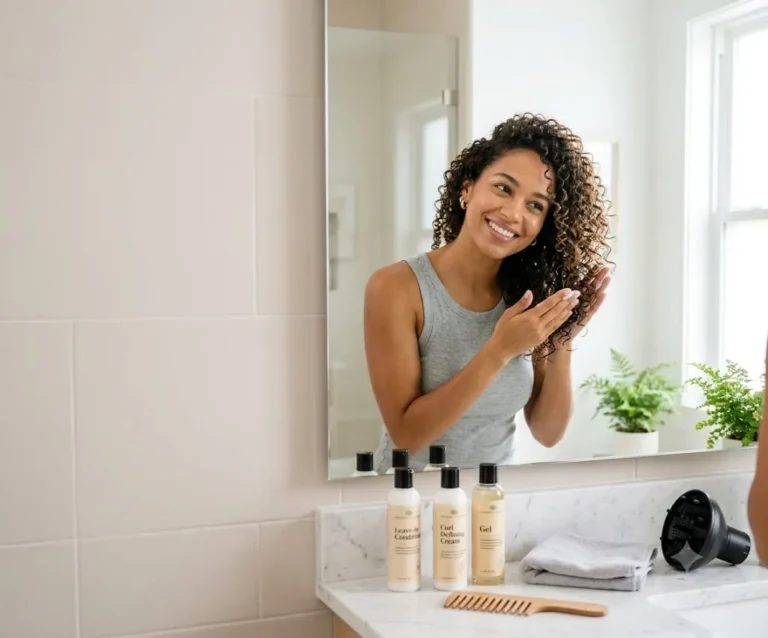
Applying a curl cream to damp hair and letting it air dry, or using a diffuser, will help bring out better curl definition.
Coily Hair
A mid taper fade works especially well with coily hair because it creates a clean, defined outline without stripping away your natural texture.
Many men pair it with:
- Twist sponge curls
- Short afro
- Defined coils
- Sharp line-up
Keeping your hair properly moisturized helps maintain healthy curls and reduces dryness over time.
Thick Hair
Thick hair can quickly become bulky around the sides if it isn’t managed well. A mid taper fade removes that extra weight while still keeping enough fullness for a balanced overall shape.
Textured hairstyles tend to work especially well with thick hair, since they make it noticeably easier to style on a daily basis.
Fine or Thin Hair
If your hair is on the thinner side, a mid taper fade can still be a great option. The key is avoiding excessive contrast between the top and sides. Leaving a little extra length on top helps create the appearance of fuller hair, and lightweight styling products can add natural volume without weighing it down.
Best Mid Taper Fade Based on Your Lifestyle
The right haircut should ultimately fit your daily routine. Before your next appointment, it’s worth thinking about how much time you actually want to spend styling your hair each morning.
Low-Maintenance Option
If you want a haircut that’s quick and easy to style, consider:
- Buzz cut with mid taper fade
- Crew cut
- Short textured crop
These styles require very little daily effort and still manage to look clean and put-together.
Professional Style
For work or more formal occasions, consider:
- Side part
- Slick back
- Ivy League
- Classic comb over
These hairstyles create a polished, professional appearance while still keeping the modern edge of a fade.
Trendy and Fashion-Forward
If you enjoy switching up your hairstyle from time to time, a mid taper fade gives you plenty of room to experiment.
Popular choices include:
- Middle part
- Fluffy hair
- Edgar cut
- Blowout taper
- Modern mullet
- Curly fringe
These styles remain popular because they combine noticeable texture with consistently clean sides.
Mid Taper Fade for Teens vs. Adults
A mid taper fade is versatile enough to suit different age groups, though the hairstyle worn on top often shifts based on personal taste and daily routine.
For Teenagers
Teenagers tend to gravitate toward trend-driven hairstyles that add texture and personality. Popular choices include:
- Textured crop
- Curly fringe
- Fluffy hair
- Edgar cut
- Middle part
- Modern mullet
These styles create a youthful, energetic look while keeping the sides clean and genuinely easy to maintain.
Does a Mid Taper Fade Work with a Beard?
Yes, and in fact, it’s one of the best haircuts to pair with facial hair. A skilled barber will blend the fade directly into your beard, creating one smooth, continuous transition instead of a harsh, visible break between your haircut and your facial hair.
Here are a few combinations that tend to work especially well:
| Beard Style | Why It Works |
| Stubble | Creates a clean and natural finish |
| Short boxed beard | Adds definition without looking too heavy |
| Full beard | Balances the shorter sides with fuller facial hair |
| Goatee | Draws attention to the chin and jawline |
For the cleanest possible result, ask your barber to blend the taper directly into your beard rather than leaving a visible line between the two.
Does a Mid Taper Fade Suit a Receding Hairline?
Yes, as long as it’s customized correctly for your specific hairline. A mid taper fade can help create a cleaner frame around the face while shifting more attention toward the hairstyle up top.
For the best results:
- Keep some natural texture
- Avoid pushing the hairline too far back
- Add moderate volume instead of excessive height
- Work with your natural growth pattern
An experienced barber will adjust the fade to work with your existing hairline rather than trying to force a perfectly straight, artificial-looking outline.
How Long Does a Mid Taper Fade Last?
Most mid taper fades stay sharp for around 2 to 3 weeks, though if your hair grows quickly, you may notice the fade softening a little sooner than that.
A simple maintenance timeline generally looks like this:
- Week 1: Crisp, clean, and freshly blended
- Week 2: Still sharp with only slight growth
- Week 3: The fade becomes softer and may need a touch-up
- Week 4: The transition is less defined, and most people book another haircut
Regular trims help keep the fade looking fresh without requiring any real change to your overall hairstyle.
Best Mid Taper Fade Haircut Ideas
One of the biggest advantages of a mid taper fade is just how versatile it is. It works with almost every hairstyle, from timeless classics to the latest trends, and while the fade itself stays consistent, the hair on top is what really changes the overall look.
Here are some of the best mid taper fade styles worth considering.
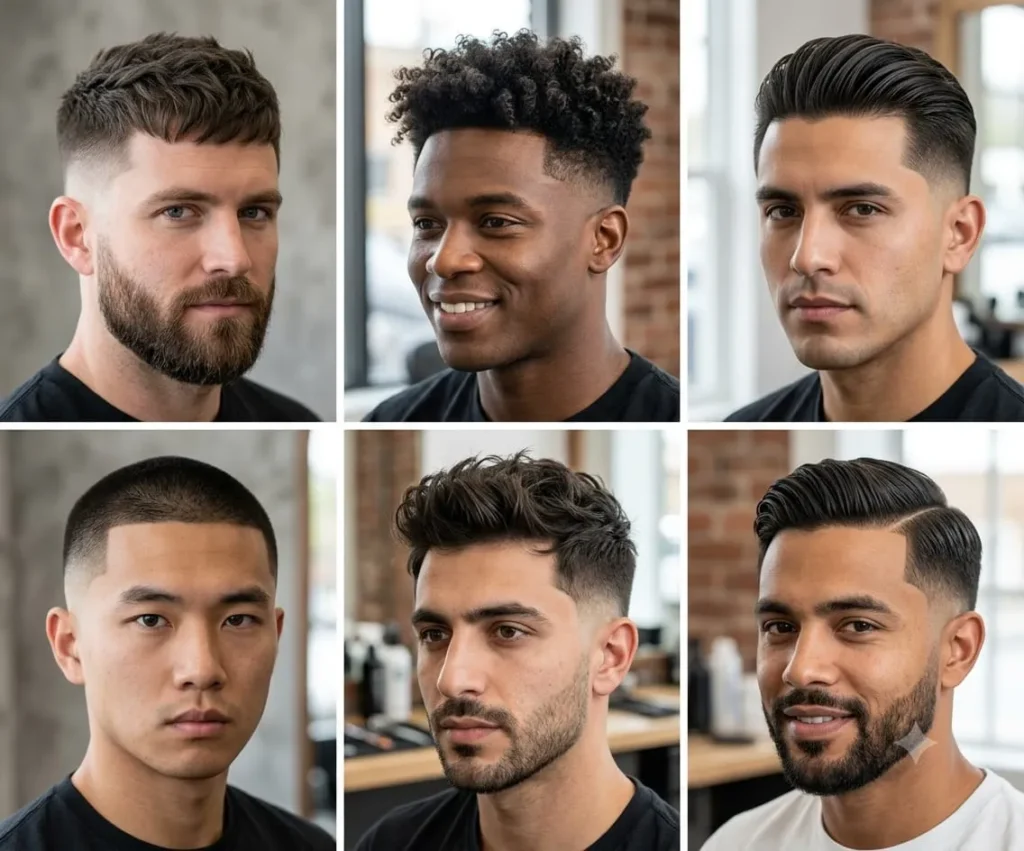
Mid Taper Fade with a Textured Crop
A textured crop is one of the easiest hairstyles to maintain day to day. The short, layered top creates natural texture on its own, while the mid taper fade keeps the sides clean and balanced underneath it.
This combination works particularly well for men who want a stylish look without spending much time styling in the mirror.
Best for: straight hair, thick hair, wavy hair, round and oval face shapes.
Styling tip: Rub a small amount of matte clay between your hands and work it through dry hair to define the texture.
Mid Taper Fade with Curly Hair
Natural curls become the main feature of this haircut. The fade removes bulk from the sides while giving your curls plenty of room to stand out and take center stage.
Best for: curly hair, coily hair, thick hair.
Styling tip: Apply a curl cream to damp hair and let it air dry. You can also use a diffuser to add more definition. More on getting consistent definition in styling curly hair.
Mid Taper Fade with a Buzz Cut
If you prefer something simple and low-effort, a buzz cut with a mid taper fade is an excellent choice. The buzz cut keeps the top short, while the fade adds shape and definition around the sides and neckline. It remains one of the lowest-maintenance hairstyles available.
Best for: active lifestyles, fine hair, thick hair, men who prefer minimal styling.
Styling tip: Keep the fade sharp by visiting your barber every two to three weeks.
Mid Taper Fade with a Slick Back
A slick back gives the mid taper fade a clean, professional appearance. The longer hair on top is brushed backward, creating a polished look that works well for business settings and formal occasions alike.
Best for: straight hair, wavy hair, oval and square face shapes.
Styling tip: Use a lightweight pomade for a smooth finish without making your hair feel heavy.
Mid Taper Fade with a Side Part
The side part is a timeless hairstyle that never really goes out of fashion. Pairing it with a mid taper fade modernizes the classic look while keeping it suitable for work, school, or special events.
Best for: straight hair, fine hair, professional environments.
Styling tip: Blow-dry your hair along the natural part before applying a small amount of styling cream.
Mid Taper Fade with a Quiff
A quiff creates height at the front while the fade keeps the sides neat and controlled. This combination makes the face appear slightly longer and adds a confident, stylish finish to the overall look.
Best for: thick hair, wavy hair, round face shapes.
Styling tip: Use a blow dryer and a round brush to lift the front before applying matte paste.
Mid Taper Fade with a Pompadour
A pompadour adds noticeable volume and creates a bold, statement-making appearance. When it’s paired with a mid taper fade, the haircut looks balanced rather than overly dramatic, especially for men who enjoy classic hairstyles with a modern twist.
Best for: thick hair, straight hair, oval and square face shapes.
Styling tip: Apply a medium-hold pomade and blow-dry the hair upward and backward.
Mid Taper Fade with a French Crop
A French crop features a short top paired with a textured fringe. The mid taper fade gives the haircut cleaner lines while also making it easier to manage day to day, which is part of why this style requires very little daily upkeep.
Best for: fine hair, thick hair, busy lifestyles.
Styling tip: Use a small amount of matte paste to add definition without creating stiffness.
Mid Taper Fade with a Middle Part
The middle part has become one of the most popular hairstyles in recent years. Pairing it with a mid taper fade removes extra bulk from the sides while keeping the top soft and natural-looking.
Best for: straight hair, wavy hair, oval and heart-shaped faces.
Styling tip: Blow-dry the hair away from the face to create natural movement.
Mid Taper Fade with an Edgar Cut
The Edgar haircut is known for its sharp fringe and bold, defined shape. Adding a mid taper fade softens the sides while keeping the rest of the haircut clean and structured, creating a modern look with strong overall definition.
Best for: thick hair, straight hair, younger men.
Styling tip: Visit your barber regularly to keep the hairline and fade looking crisp.
Mid Taper Fade with a Blowout
A blowout focuses on volume and movement up top. The fade keeps the haircut controlled and grounded, while the top remains full and textured for an eye-catching, modern appearance.
Best for: thick hair, wavy hair, medium-length hair.
Styling tip: Apply volumizing mousse before blow-drying your hair upward.
Mid Taper Fade with Long Hair
You don’t need short hair to enjoy a mid taper fade. Long hair paired with clean, tapered sides creates a balanced silhouette that feels genuinely stylish without ever looking messy or overgrown. You can wear it loose, tied back, or brushed behind the ears, depending on the occasion.
Best for: straight hair, wavy hair, men growing their hair out.
Styling tip: Use a lightweight leave-in conditioner to control frizz while keeping your hair soft.
Mid Taper Fade with a Mullet
The modern mullet continues to grow in popularity, and a mid taper fade gives the hairstyle a cleaner finish while still maintaining the signature length at the back. This version looks noticeably more polished than a traditional mullet.
Best for: wavy hair, thick hair, fashion-forward styles.
Styling tip: Add a sea salt spray to create natural texture and movement.
Mid Taper Fade with a Crew Cut
The crew cut is simple, practical, and genuinely timeless. Adding a mid taper fade creates more shape around the sides while keeping overall maintenance low, which makes it a great option for students, athletes, and busy professionals alike.
Best for: fine hair, thick hair, active lifestyles.
Styling tip: Use a small amount of matte clay if you want extra texture on top.
Mid Taper Fade with a Beard
A well-groomed beard can make a mid taper fade look even sharper. The key is blending the fade smoothly into the beard, rather than creating a harsh, visible line between the two, so the whole look flows naturally from haircut to facial hair.
Popular beard pairings include:
- Light stubble
- Short boxed beard
- Full beard
- Goatee
- Sculpted beard
Regular beard trims help maintain a clean, balanced appearance overall.
Which Mid Taper Fade Style Should You Choose?
The best hairstyle for you ultimately depends on your hair type, face shape, and personal style. Here’s a quick reference guide to help point you in the right direction.
| If You Want… | Choose This Style |
| The easiest maintenance | Buzz cut with mid taper fade |
| A professional appearance | Side part or slick back |
| More volume | Quiff or pompadour |
| Natural texture | Curly top or textured crop |
| A trendy look | Middle part, Edgar, or mullet |
| Long hair versatility | Mid taper fade with long hair |
No matter which variation you ultimately choose, the mid taper fade provides a clean foundation that works with both classic and modern hairstyles. That’s exactly why it continues to be one of the most requested haircuts in barbershops around the world.
How to Ask Your Barber for a Mid Taper Fade
Getting a great haircut starts with clear communication. While simply saying “give me a mid taper fade” is a reasonable start, adding a few more specific details will help your barber understand exactly what you’re picturing.
What Will Your Barber Ask Before the Haircut?
A professional barber will usually ask a handful of questions before picking up the clippers. These may include:
- How short do you want the sides?
- How much length do you want on top?
- Do you prefer scissors or clippers?
- Do you style your hair every day?
- Would you like the fade blended into your beard?
- Do you have a reference photo?
Tell Your Barber Where You Want the Fade
A mid taper fade usually starts around the temples, roughly halfway between the ears and the top of the head. If you’re after a softer look, ask for a lower blend. If you’d prefer more contrast, ask your barber to blend slightly higher instead.
Explain How You Want the Top
The fade is only one part of the overall haircut, so you’ll also want to describe the hairstyle you want on top. For example, you might ask for:
- A textured crop
- A slick back
- A crew cut
- A buzz cut
- A quiff
- A pompadour
- A middle part
- A curly top
If you’re not sure what to ask for, don’t hesitate to ask your barber for a recommendation based on your hair type and face shape.
Mention Your Preferred Length
Instead of simply saying “short,” it helps to be more specific. You can say things like:
- Leave about 2 inches on top
- Use scissors instead of clippers
- Blend into a Number 2 or Number 3 guard
- Keep some weight on the sides
The more detail you provide up front, the easier it becomes for your barber to deliver exactly the result you’re picturing.
Bring a Reference Photo
Photos remove nearly all the guesswork from the equation. Showing your barber a picture of the haircut you like helps ensure you’re both working from the same expectations. That said, keep in mind that your final result may look somewhat different depending on your hair type,
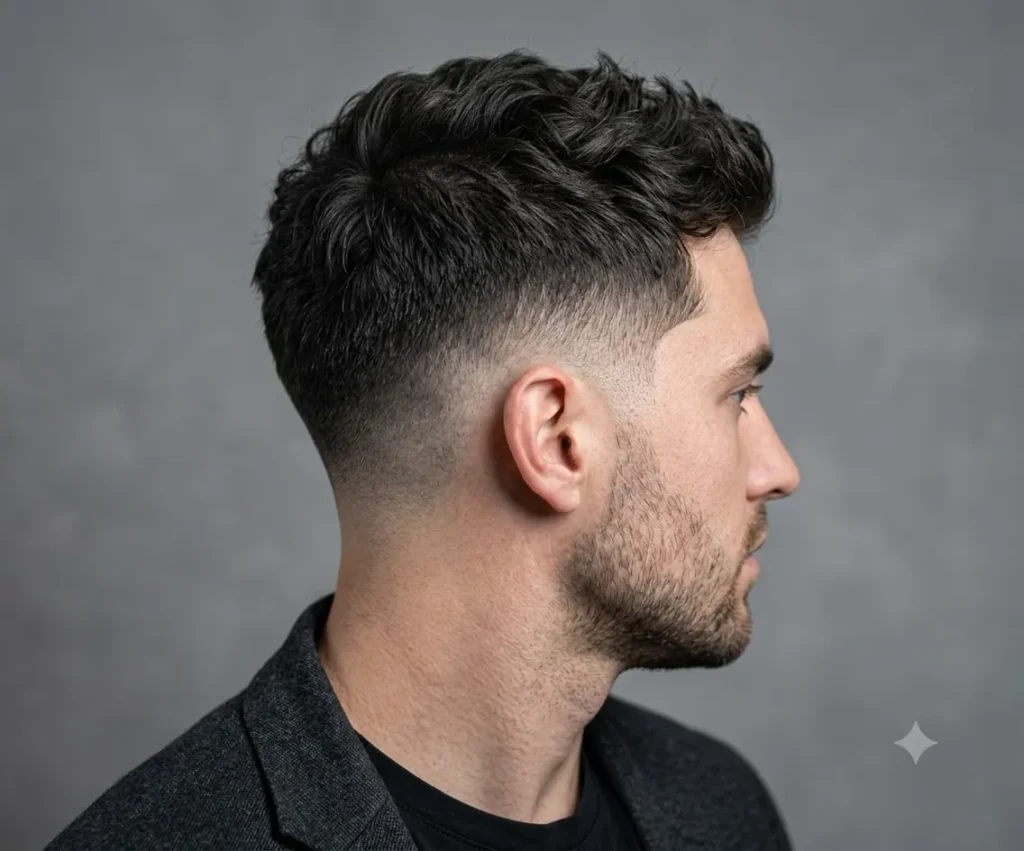
What Clipper Guard Is Used for a Mid Taper Fade?
There’s no single guard number that works for every mid taper fade. The exact clipper guards used depend on your hair type, head shape, and how much contrast you’re going for. Most barbers blend several guard lengths together to create a smooth, seamless transition.
A typical mid taper fade may follow a pattern like this:
| Area | Common Length |
| Top | Scissor cut or #6–#8 guard |
| Upper sides | #4–#5 guard |
| Middle blend | #2–#3 guard |
| Lower sides | #1–#1.5 guard |
| Around the ears and neckline | #0.5 guard or trimmer |
| Skin fade variation (optional) | Razor or foil shaver |
Keep in mind that these numbers are only a starting point. A skilled barber will adjust the guard sizes based on your hair density, growth pattern, and the hairstyle you want on top.
Common Barber Terms You Should Know
Knowing a handful of basic barber terms can make it much easier to explain exactly what you want.
- Fade: A gradual transition from longer hair to shorter hair.
- Taper: A softer transition that mainly focuses on the sideburns and neckline.
- Blend: The smooth connection between different hair lengths.
- Guard Number: The clipper attachment that determines hair length.
- Line-Up (Edge-Up): Sharpening the natural hairline around the forehead and temples.
- Clipper Over Comb: A barbering technique used to remove bulk while creating a smoother blend.
- Neck Taper: Cleaning and tapering the hair around the neckline for a polished finish.
How Often Should You Maintain a Mid Taper Fade?
A mid taper fade looks best when the blend stays clean and fresh, which is why most people visit their barber every 2 to 3 weeks. If you prefer a softer, more relaxed appearance, you can usually wait 3 to 4 weeks before your next trim.
Maintenance Timeline
| Time After Haircut | What to Expect |
| Week 1 | Fresh, sharp, and well-defined fade |
| Week 2 | Still clean with minimal growth |
| Week 3 | Blend starts to soften |
| Week 4 | Fade loses definition and needs a trim |
If you have naturally fast-growing hair, you may find yourself needing touch-ups a little more often than this general timeline suggests.
Best Hair Products for a Mid Taper Fade
The right styling product ultimately depends on your hair type and the specific hairstyle you’re working with.
Matte Clay
Best for textured crops, quiffs, and messy hairstyles. A matte clay adds texture without making your hair look shiny or overly styled.
Pomade
Best for slick backs, side parts, and pompadours. Pomade creates a smooth, polished finish with medium to high shine.
Sea Salt Spray
Best for wavy hair, fluffy styles, and natural texture. It adds volume and enhances movement without weighing the hair down.
Curl Cream
Best for curly and coily hair. Curl cream defines curls while reducing frizz and dryness throughout the day.
Lightweight Styling Cream
Best for fine hair and everyday hairstyles. It provides light hold while keeping the hair feeling soft and natural.
Common Mid Taper Fade Mistakes to Avoid
Even a great haircut can start to lose its shape if you fall into a few common habits. Here’s what to watch out for.
Waiting Too Long Between Haircuts
As the hair grows out, the fade naturally becomes less noticeable and harder to distinguish. Regular trims help keep the transition looking smooth and intentional.
Choosing the Wrong Hairstyle for Your Hair Type
Not every hairstyle works equally well with every hair texture. For example, a slick back is generally easier to achieve with straight hair, while curly hair tends to look better with more textured styles.
Using Too Much Product
Applying too much pomade or gel can quickly make the hair look heavy and greasy instead of styled. It’s best to start with a small amount and add more only if you actually need it.
Ignoring Hair Health
Healthy hair simply looks better, full stop. Wash your hair regularly, use conditioner, and try to avoid excessive heat styling whenever you can. If your hair still feels dry hours after washing, it may be high porosity which changes what products actually work.
Skipping Barber Consultations
Your barber understands how different fades interact with different head shapes and hairlines far better than a quick online search ever could. It’s always worth asking for their advice rather than choosing a haircut based on trends alone.
Is a Mid Taper Fade Worth It?
If you want a haircut that’s stylish, versatile, and genuinely easy to maintain, the answer is yes. A mid taper fade works well in almost any setting: it looks professional in the office, clean at school, and modern on weekends.
It also pairs with a wide range of hairstyles, which makes it easy to change your overall look without ever having to change your fade. Whether you prefer a buzz cut, curly top, textured crop, or slick back, this haircut provides a clean, adaptable foundation that complements your personal style.
Frequently Asked Questions
What is the difference between a mid taper fade and a mid fade?
A mid taper fade keeps more hair around the sideburns and neckline, creating a softer transition. A mid fade usually blends shorter and creates stronger contrast.
Is a mid taper fade good for curly hair?
Yes. A mid taper fade controls bulk on the sides while allowing curls to remain full and defined on top.
How long does a mid taper fade last?
Most people schedule a touch-up every 2 to 3 weeks to keep the fade looking sharp.
Does a mid taper fade work for thin hair?
Yes. Keeping slightly more length on top can create the appearance of fuller hair, while the fade adds structure without exposing too much scalp.
Can I get a mid taper fade with long hair?
Absolutely. Many men pair long hair with a mid taper fade to reduce bulk around the sides while keeping length on top and at the back.
Does a mid taper fade look professional?
Yes. It is one of the most workplace-friendly fade haircuts because it offers a clean appearance without looking too bold.
Is a mid taper fade hard to style?
No. Most styles only require a few minutes each morning and a small amount of the right styling product.
Final Thoughts
A mid taper fade has remained one of the most requested men’s haircuts for a reason. It strikes a balance that many other fades don’t. It’s clean without looking too sharp, modern without being difficult to wear, and versatile enough to work with almost every hair type and lifestyle.
One thing that’s easy to overlook is that the fade itself is only part of the haircut. The best results come from matching the fade to your hair texture, face shape, and the style you want on top. Two people can ask for the same mid taper fade and leave the barbershop with completely different looks because their hair grows differently and their barber adjusts the blend to suit their features.
If there’s one takeaway from this guide, it’s this: don’t focus only on the name of the haircut. Focus on how you want it to look on you. Bringing a reference photo, explaining how much contrast you prefer, and discussing your daily styling routine with your barber will usually lead to a better result than asking for a haircut by name alone.
When chosen and maintained correctly, a mid taper fade is one of the easiest haircuts to live with. It grows out naturally, works in both professional and casual settings, and gives you the flexibility to change your hairstyle without changing the fade itself. That’s why it continues to be a reliable choice for first-time fade clients as well as men who’ve been wearing fades for years.