Low Taper Fade Haircut: 9 Best Stylish Looks for Men, Plus Expert Barber Tips
A low taper fade is a popular haircut for men who want a clean and stylish look without cutting too much hair from the sides. It creates a smooth change from longer hair to shorter hair around the sideburns and neckline. You can wear it with short, long, straight, wavy, or curly hair.
The best part is its flexibility. You can keep your hair simple for work or style it for a more modern look. In this guide, you will learn what a low taper fade is, how it differs from other haircuts, which styles to try, and what to tell your barber.
What Is a Low Taper Fade Haircut?
A low taper fade haircut is a style where the hair gradually becomes shorter around the sideburns and the back of the neck. The change starts low on the head, close to the ears and neckline. The hair on top usually stays longer.
This haircut gives you a neat appearance without removing too much hair from the sides. It works with many hairstyles and can look natural or sharp depending on how your barber cuts it.
How Does a Low Taper Fade Work?
Your barber uses clippers to blend the hair around your sideburns and neckline. The hair becomes shorter as it moves toward the edges. This creates a smooth and clean finish.
You can ask for a soft blend if you prefer a natural look. If you want a sharper style, your barber can make the edges more defined.
Where Does a Low Taper Fade Start?
A low taper fade starts near the sideburns and the bottom of the neckline. It does not usually extend far up the sides of the head.
This leaves more hair around the temples and above the ears. It is a good choice if you want a fresh haircut while keeping most of your natural hair shape.
Is a Low Taper Fade Different from a Regular Taper?
Yes. A regular taper gradually shortens the hair around the sideburns and neckline. A low taper fade uses a fading technique to create a more blended finish in these areas.
However, barbers may use these terms differently. It is best to show a reference photo and explain exactly how short you want the sides and neckline.
Low Taper Fade vs. Low Fade: What’s the Difference?
A low taper fade and a low fade are similar, but they do not create exactly the same look.
A low taper fade usually focuses on the sideburns and neckline. A low fade generally covers a wider area around the sides and back of the head. It can also remove more hair near the temples.
Choose a low taper fade if you want to keep more of your natural hair around the sides. Choose a low fade if you prefer a more noticeable fade that reaches farther around the head.
What Is the Difference Between a Low Taper Fade and a Low Fade?
The terms low taper fade and low fade taper are sometimes used to describe similar styles. However, the exact meaning can depend on the barber.
Instead of relying only on the haircut name, explain where you want the fade to start. You can also show a photo of the result you want.
Low Taper Fade vs. Mid Taper Fade
A low taper fade starts close to the ears and neckline. A mid taper fade begins higher around the temples and sides.
A low taper creates a more subtle appearance. A mid taper can look more noticeable because the shorter hair starts higher on the head.
Low Taper Fade vs. High Taper Fade
A high taper fade places the shorter blend higher around the temples and sideburns. It creates a stronger contrast between the shorter sides and the longer hair on top.
If you prefer a bolder haircut with a higher blend around the temples, explore our guide to the high taper fade for more styles and barber tips. A low taper fade keeps the shorter area closer to the edges. It is a good option if you want a clean haircut without a dramatic change.
Taper Fade vs. Skin Fade
A taper fade gradually shortens the hair around selected areas, usually the sideburns and neckline. A skin fade blends the hair down to bare skin in the faded area.
A low taper fade does not have to reach the skin. If you want very short edges, tell your barber whether you prefer a soft blend or a skin level finish.
9 Best Low Taper Fade Haircut Styles for Men
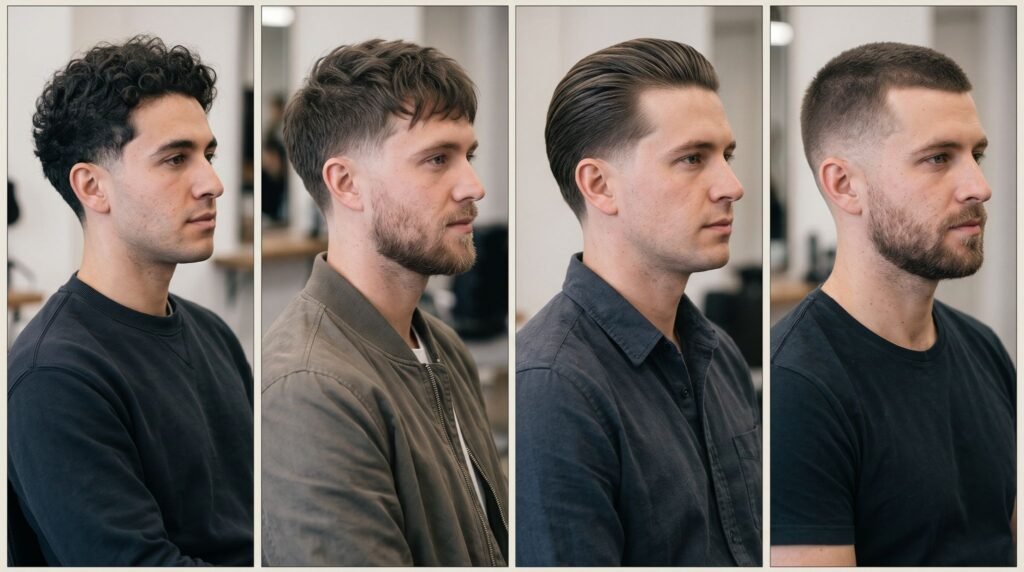
One reason men like the low taper fade haircut is that it works with many styles on top. Here are nine options to consider.
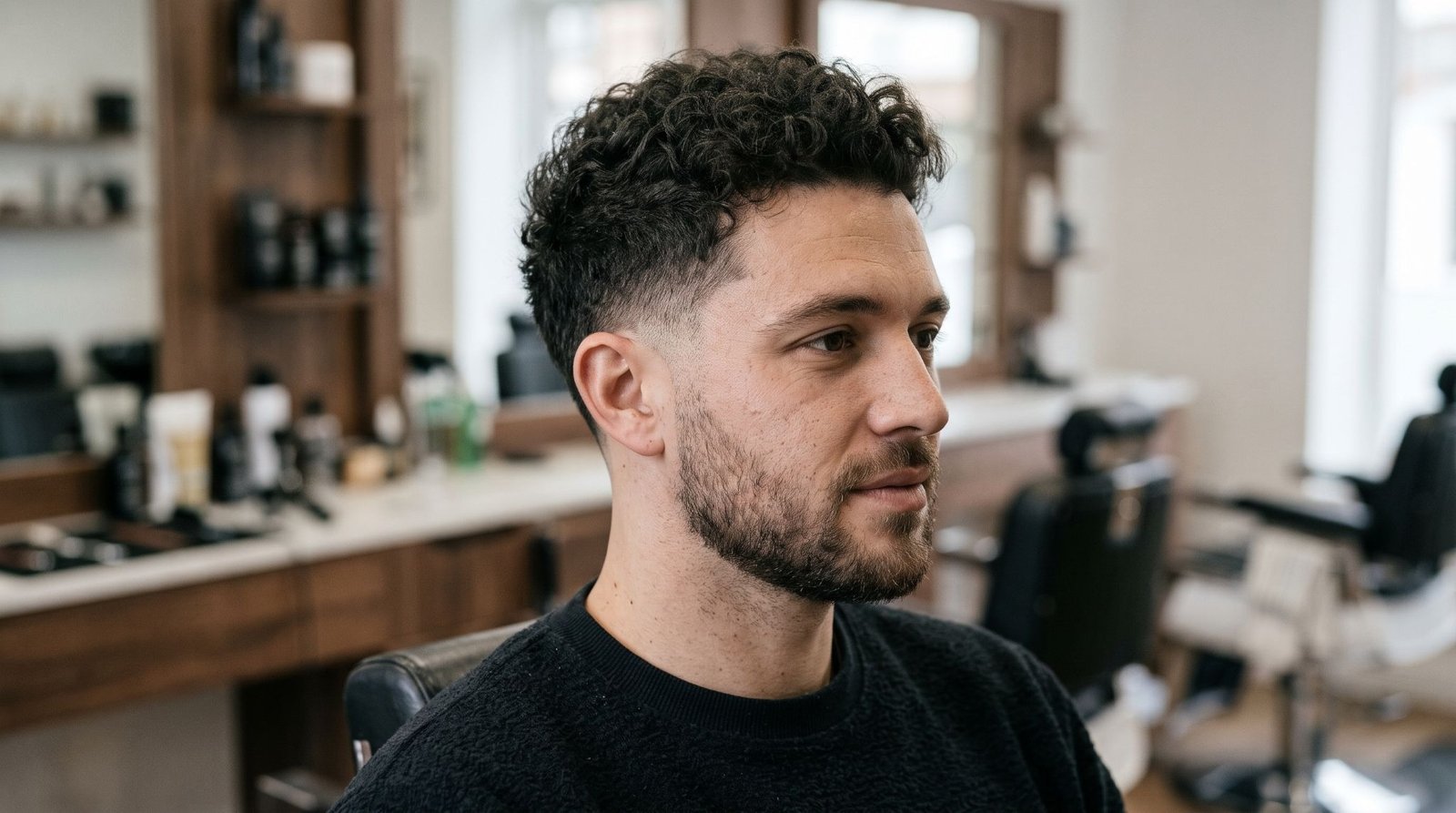
1. Low Taper Fade with Curly Hair
A low taper fade with curly hair keeps the curls on top while making the sides and neckline look neat. It works well if you want to show your natural curl pattern.
Ask your barber to keep enough length on top for your curls to form properly. A small amount of curl cream can help reduce frizz and keep your hair looking healthy.
2. Low Taper Fade with a Textured Fringe
A textured fringe has hair that falls toward the forehead. The top is usually cut in different lengths to create movement and texture.
Combining it with a low taper fade gives the haircut a modern look. It can work with straight, wavy, or curly hair. Ask your barber to leave enough length in the front to create the fringe you want.
3. Low Taper Fade with a Mullet
A low taper fade with a mullet keeps the sides neat while leaving more length at the back. The top can be short or textured, depending on your preference.
This style is more noticeable than a classic low taper. It is a good option if you enjoy modern hairstyles and want something with more personality.
4. Low Taper Fade with a Buzz Cut
A buzz cut is a short haircut created with clippers. Adding a low taper fade makes the area around the ears and neckline look cleaner.
This style is easy to manage because the hair is short. You usually do not need many styling products. Regular trims can help you keep the shape fresh.
5. Low Taper Fade with a Pompadour or Quiff
A pompadour has hair brushed upward and backward, with extra volume at the front. A quiff also adds height but can have a softer and more relaxed shape.
The low taper fade keeps the sides tidy while allowing the top to stand out. You may need a blow dryer and a light styling product to hold the shape.
6. Low Taper Fade with Long Hair
A low taper fade can look great with long hair on top. You can wear your hair loose, brushed back, or tied into a bun.
The shorter edges create a neat outline without removing much length from the top. Tell your barber how much length you want to keep so the haircut still works with your daily style.
7. Low Taper Fade with a Slick Back
A slick back is a style where the hair is brushed away from the forehead. It can look neat and polished, especially when the top has enough length.
A low taper fade keeps the edges clean without taking attention away from the top. Use a small amount of styling cream or pomade, depending on your hair type and the finish you prefer.
8. Low Taper Fade with Waves or an Afro
Men with waves or Afro textured hair can pair a low taper fade with their natural hair pattern. The top can stay full while the sideburns and neckline receive a clean blend.
For waves, ask your barber to preserve the wave pattern. For an Afro, explain how much volume you want to keep on top. The right approach depends on your hair texture and preferred shape.
9. Low Taper Fade with a Middle Part
A middle part divides the hair into two sections, with hair falling on both sides of the head. It can work with straight or wavy hair and may also suit longer hair.
The low taper fade adds a neat finish around the ears and neckline. Ask your barber to preserve enough length around the front so the middle part falls naturally.
How to Choose a Low Taper Fade for Your Hair Type
Your hair type affects how a low taper fade looks and how much styling it needs. Tell your barber whether your hair is straight, thick, fine, wavy, or curly.
Low Taper Fade for Straight Hair
Straight hair can make the blend around the sides easy to see. However, thick straight hair may stick out around the temples if it is not shaped properly.
Ask your barber to manage the extra bulk while keeping the top at your preferred length. A light styling cream can help control loose strands.
If you have straight hair, ask your barber to check how your hair sits around the temples. Some hair types may stick out when cut too short in certain areas. A suitable blend and the right amount of length can help create a cleaner shape.
Low Taper Fade for Thick Hair
Thick hair gives you many options. You can choose a textured fringe, quiff, slick back, or longer style.
Your barber may need to remove some bulk from the top or sides to create the right shape. Tell them whether you want more volume or a flatter finish.
Low Taper Fade for Fine or Thin Hair
A low taper fade can work with fine hair because it keeps the sides neat without requiring a very short cut across the whole head.
A textured top may help create the appearance of more volume. Avoid heavy styling products if they make your hair look flat.
Low Taper Fade for Wavy Hair
Wavy hair works well with textured styles, middle parts, and longer tops. A low taper fade can make the edges look neat while keeping the natural movement of the hair.
Use a lightweight product that helps define your waves without making them stiff.
Low Taper Fade for Curly or Afro Textured Hair
Curly and Afro textured hair can look excellent with a low taper fade. The shorter edges create contrast with the natural volume on top.
Ask your barber to work with your natural curl pattern and hairline. Do not assume that the same clipper settings will give the same result on every hair type.
Which Low Taper Fade Suits Your Face Shape?
Your face shape can help you choose a style, but it should not be the only factor. Your hair texture, personal taste, and daily routine also matter.
Low Taper Fade for Round Faces
A style with some height on top can make a round face appear longer. A quiff or textured top may be worth trying.
Low Taper Fade for Oval Faces
Oval faces can work with many hairstyles. You can try a curly top, middle part, slick back, or textured fringe.
Low Taper Fade for Square Faces
A textured top or short style can complement a square face. You can keep the edges clean without making the overall haircut too sharp if you prefer a softer appearance.
Low Taper Fade for Long Faces
If your face is long, a style with more width and less height may create a balanced appearance. A textured fringe or a natural middle part may be a good option.
How to Ask Your Barber for the Perfect Low Taper Fade
Good communication helps you get a haircut that matches your expectations. Do not rely on the haircut name alone because different barbers may interpret it differently.
What Should You Tell Your Barber?
You can say, “I want a low taper around the sideburns and neckline. Please keep the top at this length and blend the sides naturally.”
If you want very short edges, explain that clearly. If you prefer a softer look, ask your barber not to take the fade too high.
Before your appointment, decide how short you want the sides and how much length you want to keep on top. Show your barber a reference photo with a similar hair type. You can also ask for a natural blend around the sideburns and neckline. If you are unsure about the clipper guard, ask your barber to recommend a suitable length.
Why Should You Bring Reference Photos?
A photo helps your barber understand the exact look you want. Try to bring pictures that show the front, sides, and back of the haircut.
Choose a reference photo with hair that is similar to yours. This makes it easier for the barber to explain what is possible with your hair type.
Which Clipper Guard Length Should You Request?
There is no single clipper guard number for every low taper fade. The right length depends on how short you want the hair and how your barber creates the blend.
Tell your barber whether you want a soft taper, a very short finish, or a skin level fade. If you are unsure, ask them to start conservatively.
Common Mistakes to Avoid When Asking for a Taper Fade
Do not assume that every barber uses the same meaning for low taper fade. Do not ask for a skin fade if you want some hair left around the edges.
Also, explain how much length you want to keep on top. These details can help prevent an unwanted result.
Can You Change a Drop Fade into a Low Taper Fade?
Yes, sometimes. However, the result depends on how short the current haircut is and where the existing fade starts.
A drop fade usually follows a curved shape around the back of the head. A low taper fade focuses more on the sideburns and neckline.
Should You Wait for Your Hair to Grow Before Changing the Cut?
If the sides or back are already cut very short, your barber may not be able to create the exact low taper you want immediately. Waiting for some hair to grow can give them more length to work with.
Your barber can examine your current haircut and explain whether you need to wait or can make the change at your next appointment.
What Should You Ask Your Barber to Change?
Show a reference photo and explain which parts you want to keep longer. Ask whether the existing fade can be blended into a lower taper without cutting more hair than necessary.
How to Style and Maintain a Low Taper Fade
A low taper fade is usually easy to manage, but the top may need some daily styling. Your routine depends on your hair length and the look you want.
Best Styling Products for a Low Taper Fade
Light styling cream can help control hair without making it feel stiff. Texture clay may suit styles that need a stronger hold. Curl cream can help define natural curls.
Use a small amount first. Add more only if needed.
How to Style a Low Taper Fade at Home
Start with clean, damp hair. Apply a suitable styling product and use your fingers or a comb to create the shape you want.
If you need more volume, use a blow dryer on a comfortable heat setting. Avoid excessive heat because it can dry out your hair.
How Often Should You Get a Low Taper Fade Haircut?
Many people get a trim every two to four weeks to keep a low taper fade looking neat. However, the best schedule depends on how quickly your hair grows and how sharp you want the edges to look.
You can wait longer if you prefer a more natural appearance.
How to Keep Your Neckline and Sideburns Clean
Wash your hair as needed and avoid using too much styling product. Keep your scalp clean and ask your barber how to maintain your neckline between appointments.
Be careful when trimming your own edges because small mistakes can change the shape of the haircut.
Is a Low Taper Fade Right for Your Lifestyle?
A low taper fade can suit many lifestyles because it works with casual and more polished hairstyles. However, the best choice depends on your personal needs.
Is a Low Taper Fade Professional for Work or School?
A neat low taper fade can suit many professional and school settings. You can keep the top simple and the edges clean for a more classic appearance.
Always follow your workplace or school’s grooming rules.
Is a Low Taper Fade Easy to Maintain?
The edges are generally simple to manage, but the top may need more care if it is long, curly, or styled with volume.
Choose a version that fits the time you have for daily grooming.
Does a Low Taper Fade Look Good with Long Hair on Top?
Yes. A low taper fade can work with long hair, including a slick back, middle part, loose curls, or a bun. The key is to keep enough length on top for your chosen style.
Frequently Asked Questions About Low Taper Fades
Is a low taper fade the same as a taper fade?
A low taper fade is a type of taper fade that keeps the shorter blend close to the sideburns and neckline. The exact result depends on the barber’s technique.
Is a low taper fade good for thin hair?
Yes. A low taper fade can work with thin hair. A textured top may help create the appearance of more volume, while heavy products may make fine hair look flatter.
Can you get a low taper fade with a textured fringe?
Yes. The sides and neckline can be tapered while the top is cut into a textured fringe. Ask your barber to leave enough length at the front.
Can a barber turn a drop fade into a low taper?
Sometimes. It depends on how short the existing haircut is. Your barber may recommend waiting for the hair to grow before making the change.
How long does a low taper fade last?
The haircut may look neat for several weeks, but the exact time depends on hair growth and how sharp you want the edges. Many people book a trim every two to four weeks.
Is a low taper fade suitable for professional settings?
Yes, it can be suitable for many workplaces. A clean, simple style is often a practical choice, but workplace grooming rules can differ.
What is a low taper fade called in Spanish?
The wording can vary by region. Spanish speakers may describe a similar style as a “degradado bajo” or use a local barbering term. Showing a reference photo can help avoid confusion.
What should you tell your barber to get a low taper fade?
Ask for a low taper around the sideburns and neckline, explain how much length you want on top, and show a reference photo. Mention whether you want a natural blend or very short edges.
Final Thoughts on the Low Taper Fade Haircut
The low taper fade haircut is a flexible choice for men who want neat edges and plenty of styling options. It can work with straight, wavy, curly, thick, and fine hair when the cut is adjusted to suit the person.
Before visiting your barber, decide how much length you want to keep and choose a reference photo that matches your hair type. Explain your preferences clearly and ask your barber for advice if you are unsure.
With the right cut and a simple care routine, a low taper fade can help you create a style that feels comfortable, looks clean, and suits your everyday life.