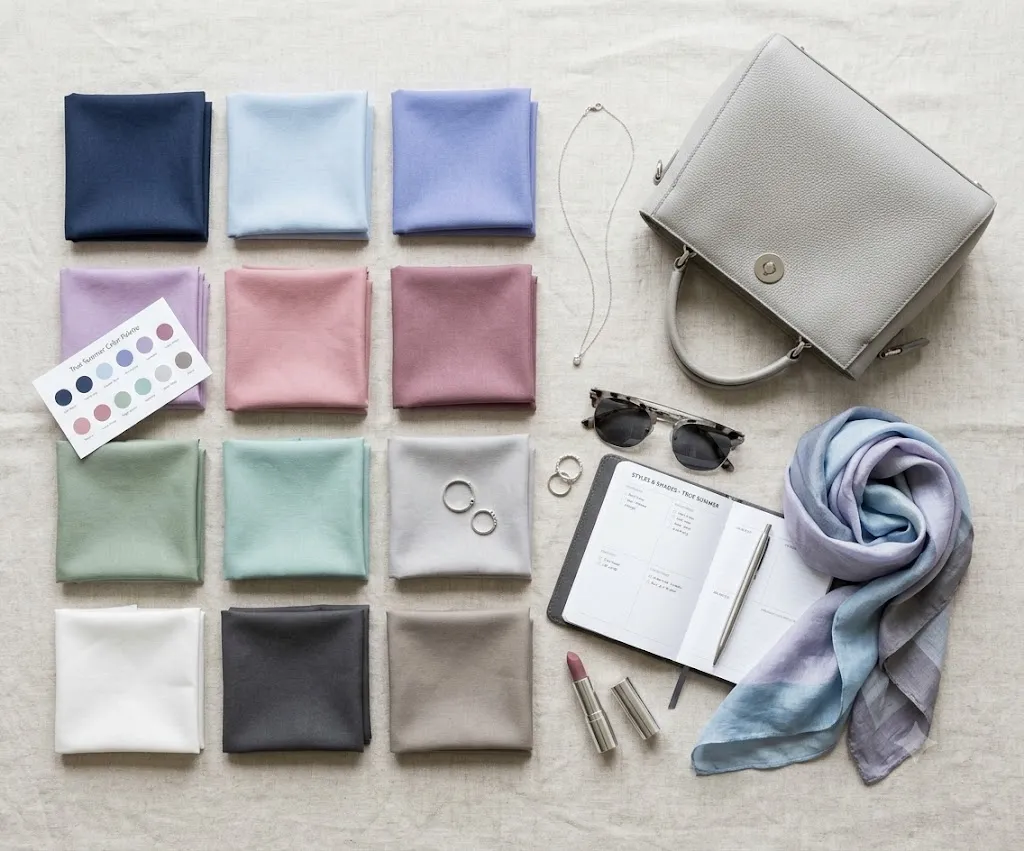
True Summer Color Palette: Your Complete Guide to Colors That Make You Look Naturally Radiant
Have you ever bought a beautiful shirt or lipstick, only to wonder why it looked amazing in the store but made you look tired once you wore it? You’re not alone. Many people spend years buying colors they love, only to find those shades don’t bring out their natural features.
That frustration is often what leads people to seasonal color analysis. Instead of chasing fashion trends, this approach helps you discover the colors that naturally complement your skin, hair, and eyes. When you wear shades that work with your natural coloring, your complexion can appear brighter, your eyes may look clearer, and even simple outfits can feel more polished.
If you’ve been told you’re a True Summer—or you’re trying to figure out whether you are—it’s easy to feel overwhelmed by conflicting advice online. Some guides focus only on clothing, while others skip important details like makeup, accessories, or how to tell the difference between similar Summer palettes.
This guide brings everything together in one place. You’ll learn how to identify the True Summer color palette, understand why certain colors work better than others, build a wardrobe that feels cohesive, and make more confident shopping decisions. Along the way, you’ll also discover practical styling tips, common mistakes to avoid, and simple ways to use your palette in everyday life.
Drawing on established seasonal color analysis principles and practical styling guidance, this article is designed to help you understand not just which colors suit you, but why they do—so you can apply the advice with confidence rather than relying on guesswork.
What Is the True Summer Color Palette?
The True Summer color palette is one of the twelve seasons in seasonal color analysis. It belongs to the Summer family and is known for its cool undertones, medium-light value, and softly muted colors.
Unlike Spring or Autumn palettes, which lean warm, the True Summer palette is completely cool, and every color carries a blue or gray influence that creates a calm and elegant appearance.
Think about nature on a cool summer morning, when the sky turns a soft blue and lavender flowers bloom gently while mist settles over green fields. Nothing feels bright or harsh in that scene; instead, everything looks peaceful and balanced, and that is exactly how the True Summer palette feels.
People in this season usually look their best when they wear colors that match these qualities. As a result, their complexion appears smoother, their eyes look brighter, and their overall appearance becomes more balanced.
The Three Main Characteristics of True Summer
Every seasonal palette is built around three important color qualities that work together to define its overall effect.
Cool Coolness is the most important feature of the True Summer palette, since its colors contain blue undertones rather than yellow or orange ones.
Soft The colors are not overly bright. Instead, they carry a gentle softness that creates a natural, understated look.
Medium-Light Most True Summer shades sit in the middle of the lightness scale, avoiding both extreme darkness and extreme paleness.
Together, these three qualities create one of the most refined and sophisticated color palettes in seasonal color analysis.
Why Seasonal Color Analysis Works
Seasonal color analysis helps you find the colors that naturally match your skin, hair, and eyes, focusing on true harmony rather than following passing fashion trends.
Every person has a unique combination of undertone, contrast, value, and chroma, and these qualities affect how different colors look against the face.
When you wear colors that belong to your season, they reflect light back onto your skin in a flattering way. As a result, your complexion often looks brighter, your eyes appear clearer, and your facial features stand out naturally.
On the other hand, colors that don’t suit your season can create the opposite effect, making your skin look dull, increasing the appearance of redness, or creating stronger shadows around the eyes.
This is why many people notice they receive more compliments when wearing the right colors, even without expensive clothing or heavy makeup.
Common Presentations of True Summer
One common myth is that every True Summer looks exactly the same, but that isn’t true. People within this season can have different hair colors, eye colors, and skin tones, yet they all share the same cool coloring underneath.
Let’s look at the most common features.
True Summer Hair Colors
Natural hair colors often include:
- Dark ash blonde
- Light brown
- Medium ash brown
- Cool brown
- Dark cool brown
Some people have naturally silver or gray hair as they age, and it often blends beautifully with the True Summer palette. Hair rarely contains strong golden, copper, or reddish tones.
True Summer Eye Colors
Eyes usually appear soft rather than highly vivid. Common eye colors include:
- Gray
- Gray-green
- Soft green
- Blue-green
Brown eyes are less common but can still appear in this season if they carry cool undertones.
True Summer Skin Tones
True Summers can have fair, light, medium, or even deeper skin tones. Instead of focusing on skin depth, it’s more useful to pay attention to undertone.
Many True Summers have:
- Cool pink undertones
- Neutral-cool undertones
Some people tan during summer, while others stay fair, and both can belong to this season as long as their undertones remain cool.
Expert Tip: Your skin may be fair, medium, or deep, but your undertone can still be cool. Seasonal color analysis focuses more on undertone and overall harmony than on how light or dark your skin appears.
True Summer Color Dimensions
Understanding color dimensions helps explain why some shades look amazing while others feel overwhelming. Seasonal color analysis uses four basic dimensions.
Muted means a color has been softened with gray, making it look gentle rather than bright or vivid.
True Summer has low to medium contrast, medium value, and low chroma, meaning the colors are cool, softly muted, and neither extremely light nor extremely dark.
1. Temperature
Temperature refers to how warm or cool a color appears, and True Summer colors always lean cool.
Examples include soft navy, dusty blue, lavender, rose pink, and cool raspberry. Warm colors like mustard, burnt orange, or camel usually create too much warmth against a True Summer complexion.
2. Chroma
Chroma describes how bright or muted a color is, and True Summer colors are softly muted. Imagine adding a small amount of gray into every color; the result feels elegant instead of loud.
Good examples include dusty rose, smoky lavender, muted teal, and sage green, while bright neon colors usually overpower True Summers.
3. Value
Value refers to lightness and darkness, and True Summer colors sit around the middle of the scale. The palette contains light, medium, and medium-dark colors, but it avoids extremes.
Pure black often feels too harsh, and pure white may appear too stark, so softer alternatives tend to create better harmony.
4. Contrast
True Summers have gentle contrast, since their natural features blend together instead of creating dramatic differences. Because of this, outfits with softer contrast usually look better than strong black-and-white combinations.
Professional Color Draping.
Professional color analysts evaluate more than skin tone alone. During an in-person color analysis, they often use color drapes to compare how different shades affect the face. The right colors can make the complexion appear brighter and more even, while less suitable shades may create stronger shadows or make the skin appear tired. This process looks at the overall harmony between skin, eyes, and hair rather than relying on a single feature.
Why These Colors Look Better on True Summers
The True Summer palette is built around balance, and every recommended color shares the same cool and soft qualities found in a True Summer’s natural coloring.
For example, dusty blue, lavender, and sage green contain cool undertones, and these shades reflect cool light onto the face, helping the skin appear fresh and even.
Highly saturated colors work differently. Bright orange, neon pink, or golden yellow often attract more attention than the person wearing them, competing with natural features instead of highlighting them.
The goal of seasonal color analysis is not to limit your choices, but to help you choose colors that allow your natural beauty to become the focus.
Colors That Define True Summer
The True Summer palette contains cool, elegant colors inspired by nature, and these shades feel calm, fresh, and timeless. Here are some of the signature colors.
Cool Blues
Blue is one of the strongest colors in the palette. Best choices include:
- Powder blue
- Cornflower blue
- Slate blue
- Steel blue
- Soft navy
- Periwinkle
These colors brighten the complexion without looking overpowering.
Soft Pinks
Pink becomes especially flattering when it has cool undertones. Great options include:
- Rose pink
- Dusty rose
- Mauve
- Ballet pink
- Blush pink
These shades add warmth without becoming orange.
Lavender and Lilac
Purple looks beautiful when it stays soft. Choose colors such as:
- Lavender
- Lilac
- Heather
- Iris
- Smoky violet
These colors naturally complement cool undertones.
Cool Greens
Green should always feel cool rather than earthy. Ideal choices include:
- Sage
- Seafoam
- Mint
- Soft jade
- Eucalyptus
These shades bring freshness while keeping the overall look balanced.
Cool Teals
Muted teal combines blue and green beautifully. Look for:
- Icy teal
- Dusty teal
- Blue teal
- Soft turquoise
These colors work especially well in sweaters, dresses, and scarves.
Soft Yellows
Many people think True Summers cannot wear yellow, but in reality, they simply need cooler versions. The best options include:
- Pastel lemon
- Cool butter yellow
- Soft primrose
Avoid golden or mustard yellows because they introduce too much warmth.
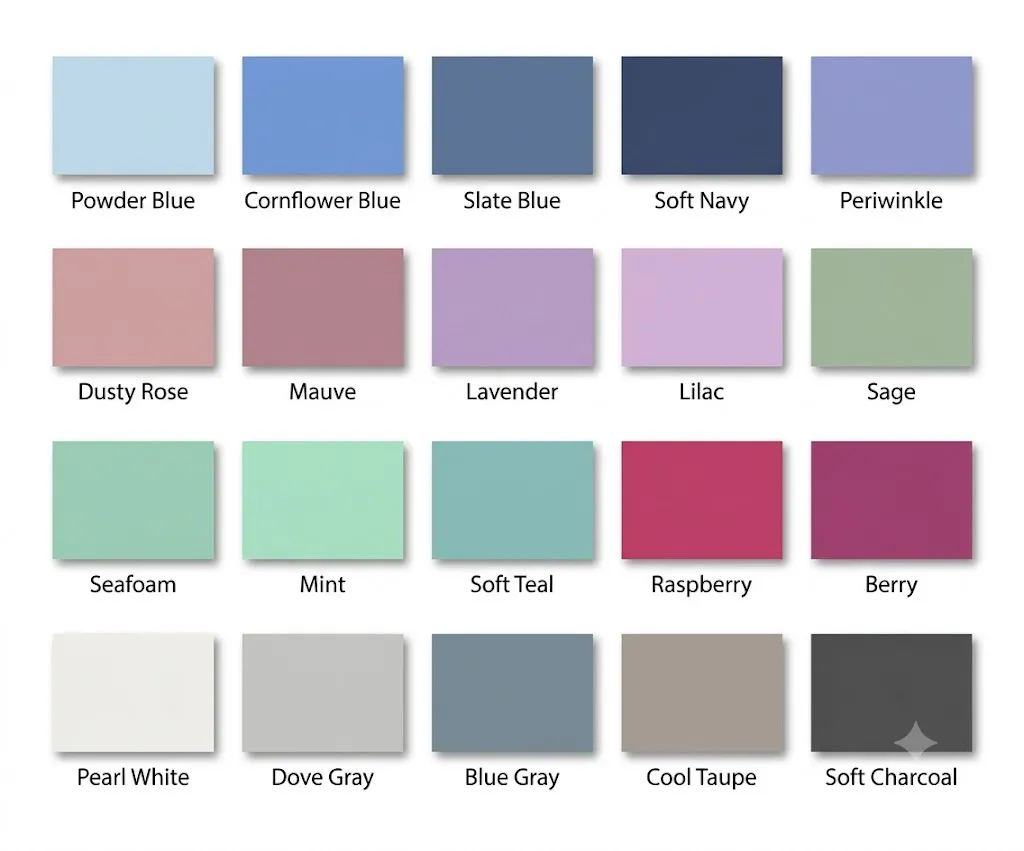
Printable True Summer Color Palette
Use this quick reference when shopping for clothes, makeup, or accessories.
| Color Family | Recommended Shades |
| Blues | Powder Blue, Cornflower Blue, Slate Blue, Periwinkle, Soft Navy |
| Pinks | Dusty Rose, Rose Pink, Mauve, Ballet Pink |
| Purples | Lavender, Lilac, Iris, Smoky Violet |
| Greens | Sage, Seafoam, Mint, Soft Jade |
| Reds | Raspberry, Berry, Watermelon |
| Yellows | Pastel Lemon, Soft Butter Yellow |
| Neutrals | Pearl White, Dove Gray, Cool Taupe, Charcoal, Blue Gray |
Keeping a saved copy of this palette on your phone can make shopping much easier, since you can compare clothing items with these shades before making a purchase.
Characteristics Associated With the True Summer Color Palette
Soft Neutrals Work Best
Classic neutrals include:
- Dove gray
- Cool taupe
- Pearl white
- Soft charcoal
- Blue-gray
- Medium navy
These neutrals make it easy to build a timeless wardrobe.
True Summer Neutrals
Neutrals are the foundation of every wardrobe, since they are easy to mix and match and let your accent colors shine. For a True Summer, the best neutrals are cool, soft, and medium in depth, because harsh black or creamy beige often look too strong or too warm.
Choose these neutrals when building your closet:
- Pearl white
- Soft white
- Dove gray
- Blue-gray
- Cool taupe
- Stone gray
- Medium charcoal
- Soft navy
- Plum brown
- Pine green
These shades work well for coats, trousers, sweaters, blazers, and handbags, and since they are timeless, they also make shopping much easier.
Can True Summers Wear Black?
This is one of the most common questions in seasonal color analysis, and the answer is yes, but with care.
Pure black can create too much contrast for many True Summers, and it may make fine lines, shadows, or uneven skin tone more noticeable.
Instead, choose softer alternatives such as:
- Soft charcoal
- Deep navy
- Blue-black
- Plum brown
If you want to wear black, soften it by pairing it with a cool scarf, silver jewelry, or a soft-colored top.
Can True Summers Wear White?
Bright white can also feel too sharp for this palette. Instead, choose:
- Pearl white
- Soft white
- Off-white with cool undertones
These shades brighten the face while keeping your overall look balanced.
Optimal Jewelry Metals for True Summer
Jewelry should enhance your natural coloring rather than compete with it, and because True Summers have cool undertones, cool-toned metals usually look the most flattering.
Silver
Silver is often the best choice, since it reflects the cool undertones in your skin and gives a clean, elegant finish.
Silver naturally complements cool undertones because it reflects cool light back onto the skin, creating a fresh and balanced appearance.
Yellow gold reflects warm tones instead, and on many True Summers, this extra warmth can make the complexion appear less even or reduce the natural clarity of the skin.
This doesn’t mean you can never wear gold. If you enjoy gold jewelry, choose lighter champagne or white gold finishes that have a softer appearance.
White Gold
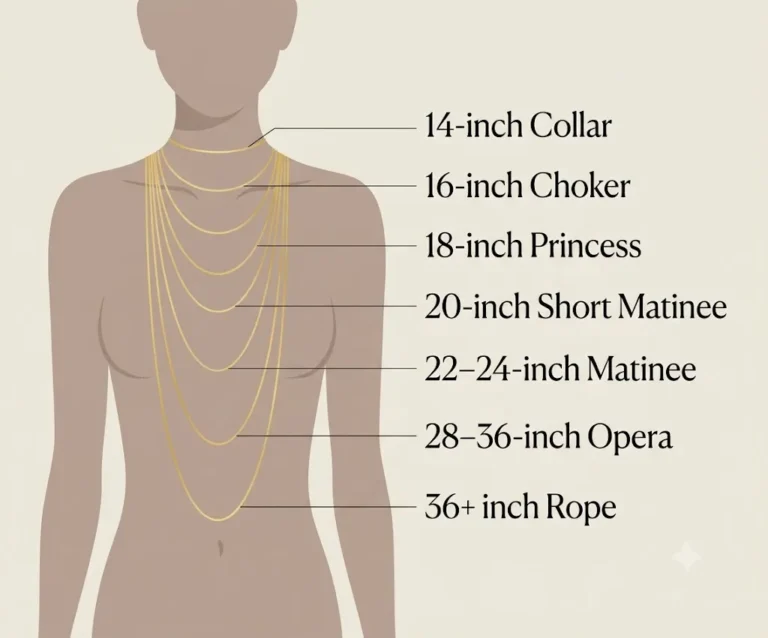
White gold offers the same cool appearance while adding a luxurious feel, and it works well for everyday jewelry and formal occasions alike. That makes it a strong choice for a permanent welded piece, since a chain you never take off should sit in your palette by default.
Platinum
Platinum is another excellent option, since its naturally cool tone blends beautifully with the True Summer palette.
Rose Gold
Some muted rose gold pieces may work, especially if they lean cool instead of coppery. However, it is usually less flattering than silver or white gold.
Metals to Avoid
Warm metals can make your skin look dull, so it’s best to limit these choices:
- Bright yellow gold
- Copper
- Bronze
- Brass
If you love gold jewelry, choose pale champagne gold instead of rich yellow gold.
True Summer Makeup Guide
The best makeup for a True Summer enhances your natural beauty without ever overpowering your features. Soft, cool shades create a fresh and balanced appearance.
Blush
Choose blush colors that mimic a natural flush. Best shades include:
- Soft pink
- Dusty rose
- Rosy mauve
- Cool berry
Avoid peach or coral blushes with strong orange tones.
Eyeshadow
Keep eye makeup soft and cool. Great choices include:
- Taupe
- Soft gray
- Lavender
- Cool brown
- Smoky plum
- Dusty mauve
These shades add depth without looking heavy.
Eyeliner
Instead of harsh black, try softer alternatives. The best colors are:
- Charcoal gray
- Soft black
- Navy blue
- Deep plum
These colors define the eyes while keeping them soft.
Mascara
Mascara should enhance your lashes naturally. Choose:
- Black
- Soft black
- Dark brown
- Navy
Dark brown often creates a softer daytime look.
Lipstick
Lip color should stay cool and muted. Beautiful shades include:
- Rose pink
- Mauve
- Soft berry
- Raspberry
- Watermelon
- Cool nude
Very warm orange or brick-red lipsticks usually clash with the True Summer palette.
Highlighter
A subtle glow works best. Choose:
- Pearl
- Icy pink
- Soft champagne with cool undertones
Avoid golden highlighters because they add unnecessary warmth.
For everyday makeup, choose cream blush, satin-finish lipstick, taupe eyeliner, and cool brown mascara if black feels too harsh. These shades maintain the soft, balanced look of the True Summer palette.
Best Hair Colors for True Summer
Hair color should support your natural cool undertones, and the goal is not to dramatically change your appearance but to create harmony between your skin, eyes, and hair.
Best Hair Colors
Some of the most flattering choices include:
- Ash blonde
- Platinum blonde
- Beige blonde
- Cool blonde
- Light ash brown
- Medium ash brown
- Cool espresso
- Mocha brown
- Soft black
- Silver
- Natural gray
These shades keep your overall appearance balanced.
Hair Colors to Avoid
Warm shades often overpower True Summers, so it’s best to avoid:
- Golden blonde
- Honey blonde
- Copper
- Auburn
- Warm caramel
- Bright red
- Orange highlights
If you color your hair, ask your stylist for cool or ash-based tones instead of golden tones. Make sure to avoid platinum blonde, jet black, blue-black, bright copper, ash blonde, silver gray, and extremely golden blonde.Bleaching to reach the lighter end of that list also raises the cuticle permanently, which is how high porosity hair usually develops.
Common Misconceptions About the True Summer Color Palette
Many people misunderstand the True Summer season, so let’s clear up a few common myths.
Myth 1: Every Cool Color Works
Not every cool color belongs in the True Summer palette. Bright royal blue or electric purple may still be too intense, since the best colors remain cool, soft, and slightly muted.
Myth 2: True Summers Only Have Fair Skin
Skin tone does not determine your season. True Summers can have light, medium, or deeper complexions, and undertone matters much more than skin depth.
Myth 3: True Summers Cannot Tan
Many True Summers develop a tan during summer, and even after tanning, their skin usually keeps its cool undertones.
Myth 4: The Palette Is Too Limited
Some people think the palette only includes gray and blue, but in reality, True Summers can wear many beautiful colors, including:
- Pink
- Lavender
- Raspberry
- Mint
- Sage
- Teal
- Berry
- Plum
The key is choosing cool and muted versions of these colors.
Small Expert Tip
Expert Tip: If you’re choosing between two similar colors, the better option for a True Summer usually appears softer, cooler, and less saturated. When in doubt, compare the colors near your face in natural daylight rather than relying on indoor store lighting.
Why Color Analysis Results Can Differ
You may notice that two color analysts sometimes place the same person in different seasons. This can happen for several reasons, including different analysis methods, lighting conditions, makeup, hair color, and the color systems they use. Some analysts work with the traditional four-season model, while others use a 12-season or 16-season system with more detailed categories.
For the most accurate results, it’s best to evaluate your natural hair color, bare skin, and eyes under natural daylight. A professional draping session can also provide a more objective assessment.
True Summer vs. Soft Summer
True Summer and Soft Summer belong to the same seasonal family, so they often look similar at first glance. However, one important difference separates them: True Summer is cool first, while Soft Summer is soft first. This small difference changes which colors create the best harmony.
| Feature | True Summer | Soft Summer |
| Primary Quality | Cool | Soft |
| Undertone | Fully Cool | Neutral-Cool |
| Brightness | Soft | More Muted |
| Contrast | Medium-Low | Low |
| Sister Season | True Winter | Soft Autumn |
How to Determine If You’re a True Summer
Finding your season takes observation. Instead of looking at one feature, study how different colors affect your appearance by asking yourself these questions.
1. Find Your Primary Characteristic
Do people notice your cool coloring first, or do your features appear especially soft and blended? If coolness stands out more, you may be a True Summer.
2. Check Your Hair and Eyes
Many True Summers have:
- Blue eyes
- Gray eyes
- Blue-green eyes
- Ash brown hair
- Cool brown hair
- Ash blonde hair
Remember that these are common traits, not strict rules.
3. Try the Color Test
Hold different colored fabrics near your face in natural daylight and compare:
- Rose Pink vs Dusty Mauve
- Sky Blue vs Dusty Blue
- Lilac vs Muted Purple
- Sage vs Olive
Notice which colors make your skin appear brighter and healthier, since the right colors usually make your eyes sparkle and reduce the appearance of shadows.
4. Look at Your Contrast
True Summers often have slightly more contrast than Soft Summers, for example:
- Medium brown hair with fair skin
- Blue eyes with cool brown hair
- Gray eyes with medium ash blonde hair
The contrast should still feel gentle rather than dramatic.
5. Compare Sister Seasons
Every season has a neighboring palette, and the sister season for True Summer is True Winter. This means many True Summers can borrow a few colors from the True Winter palette, especially cooler blues, reds, and greens.
If those borrowed shades consistently look better on you at full depth, the deep winter colour palette may be the closer match.
Soft Summer, on the other hand, connects more closely with Soft Autumn and can often wear slightly warmer muted shades.
Quick True Summer Checklist
If you answer “yes” to most of these questions, there’s a good chance you belong to the True Summer season.
- Do silver jewelry usually look better on you than yellow gold?
- Do cool blues and soft pinks make your skin look brighter?
- Does bright orange make your complexion look dull?
- Do you naturally have gentle contrast between your hair, eyes, and skin?
- Do muted colors feel more flattering than bold or neon shades?
If you’re still unsure, compare different colors in natural daylight or consider a professional color draping session.
Consider Professional Color Draping
If you’re still unsure about your season, a professional color analysis can provide more accurate results than online quizzes alone. During a draping session, different colored fabrics are placed near your face under natural lighting to observe how each shade affects your complexion, eyes, and overall appearance.
Because lighting, makeup, and dyed hair can influence your perception, professional draping remains one of the most reliable ways to identify your seasonal palette.
Wardrobe Staples for a True Summer
A well-planned wardrobe makes getting dressed much easier, so start with versatile pieces in your best neutral colors.
Some wardrobe essentials include:
Build your wardrobe around versatile basics such as a soft navy blazer, cool gray crewneck sweater, button-down shirt, tailored trousers, medium-wash denim jacket, and a cool gray trench coat. These pieces mix easily with the rest of the True Summer palette.
These items create dozens of outfit combinations while staying true to your palette.
Shopping Tips for True Summer
- buy neutrals first
- shop in daylight
- build slowly
- save money by buying versatile pieces
If a True Summer Color Doesn’t Look Right
Before deciding a color isn’t for you, check these common reasons:
- The fabric has a shiny finish that makes the color appear brighter.
- The store lighting changes how the color looks.
- Your makeup has warm undertones.
- The color is warmer or brighter than it appeared online.
Try viewing the item in natural daylight before making a final decision.
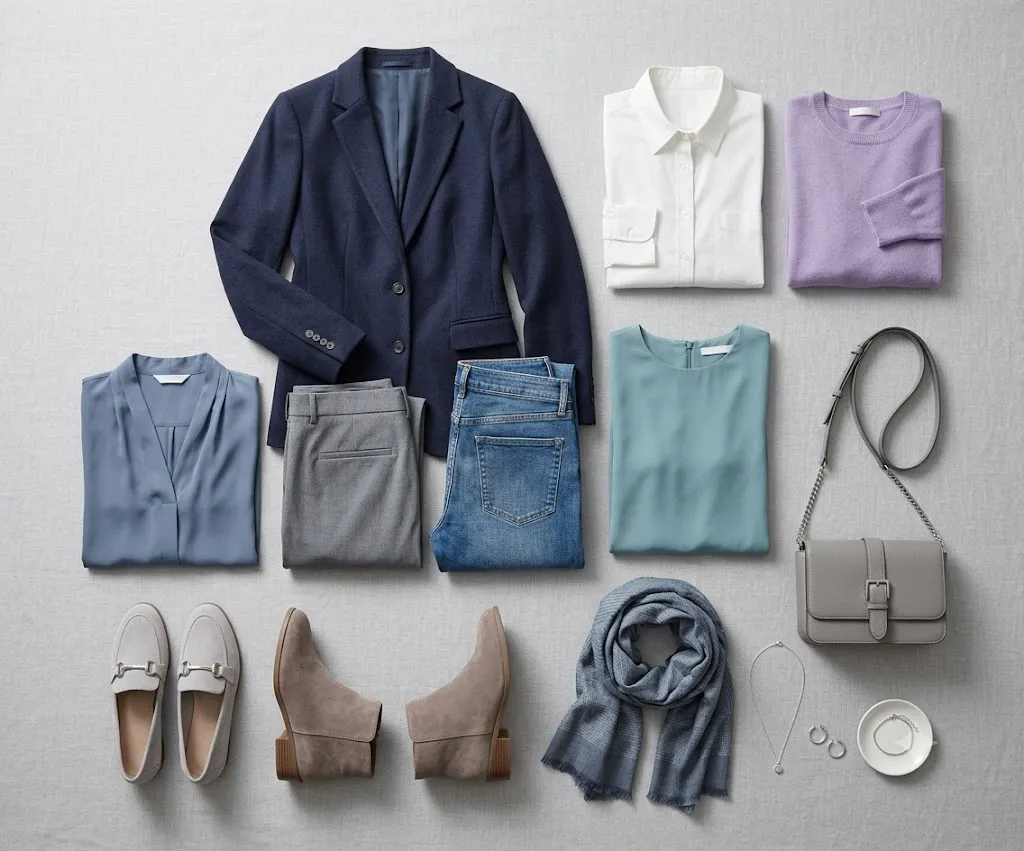
True Summer Outfit Ideas
Once you know your best colors, the next step is learning how to combine them. A True Summer wardrobe should feel calm, polished, and effortless, so instead of wearing high-contrast outfits, pair colors that blend naturally.
Here are a few outfit ideas for different occasions.
Casual Everyday Outfit
For a relaxed day, wear:
- Dusty blue T-shirt
- Medium-wash cool-toned jeans
- White sneakers
- Silver jewelry
This outfit feels fresh and comfortable while staying true to your palette.
Office Outfit
For work, choose:
- Soft navy blazer
- Pearl white blouse
- Dove gray trousers
- Gray loafers
- Silver watch
This combination looks professional without feeling too dark.
Weekend Outfit
For weekends, try:
- Lavender knit sweater
- Blue-gray jeans
- White sneakers
- Light gray crossbody bag
The soft colors create a relaxed and stylish look.
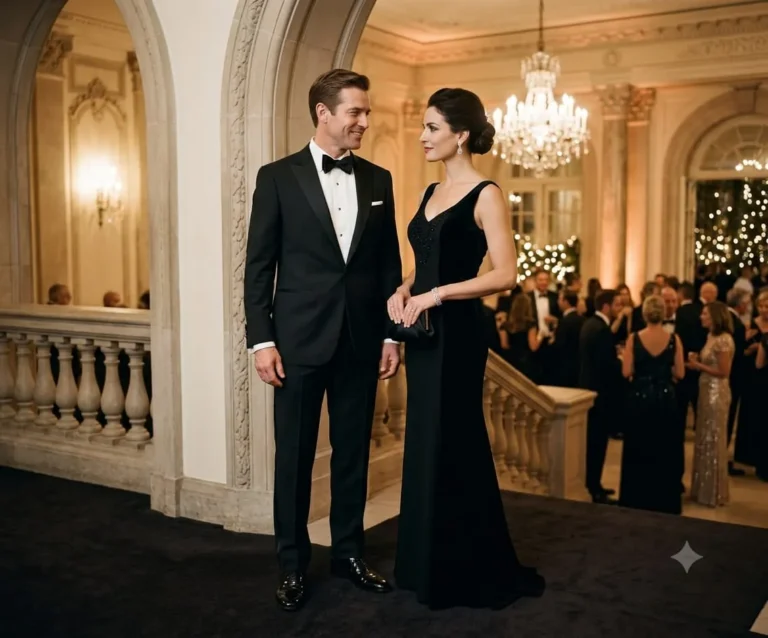
Evening Outfit
For dinner or an evening event, wear:
- Berry or plum dress
- Silver heels
- Platinum jewelry
- Cool gray clutch
These colors add elegance without overpowering your features.
Wedding Guest Outfit
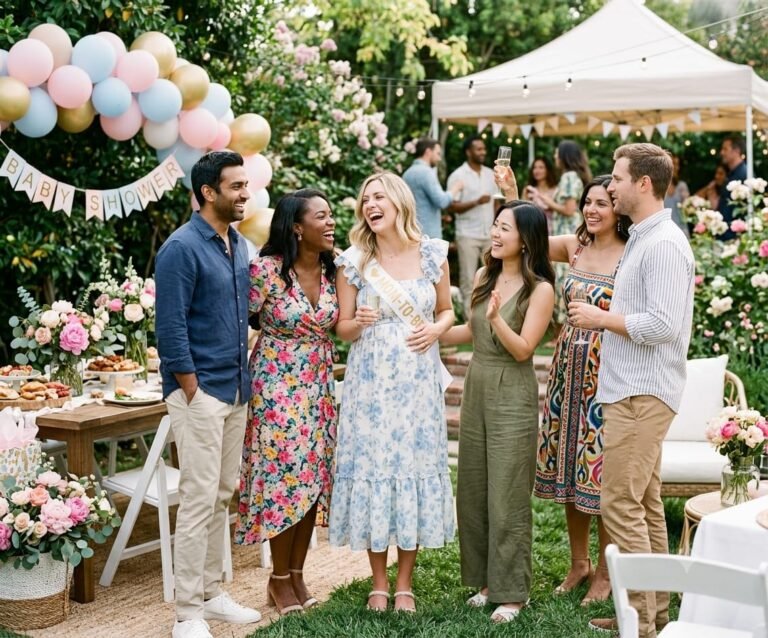
A True Summer looks beautiful in soft, romantic colors. Choose dresses in:
- Dusty rose
- Lavender
- Soft teal
- Periwinkle
- Cool raspberry
Best Color Combinations for True Summer
Choosing the right color combinations is just as important as choosing the right individual colors. Here are some combinations that always work well.
| Main Color | Pair With |
| Soft Navy | Pearl White |
| Lavender | Dove Gray |
| Sage Green | Soft Taupe |
| Dusty Rose | Blue Gray |
| Raspberry | Charcoal |
| Periwinkle | Cool White |
| Slate Blue | Soft Pink |
| Mint | Light Gray |
| Berry | Navy |
| Teal | Cool Beige |
These combinations create gentle contrast while maintaining harmony.
Best Colors for True Summer
The True Summer palette includes many beautiful shades, so focus on colors with cool undertones and soft intensity.
Blues
- Powder blue
- Cornflower blue
- Slate blue
- Steel blue
- Navy
- Periwinkle
Pinks
- Rose pink
- Dusty rose
- Ballet pink
- Mauve
- Soft raspberry
Purples
- Lavender
- Lilac
- Iris
- Smoky violet
Greens
- Sage
- Mint
- Seafoam
- Soft jade
- Eucalyptus
Reds
- Berry
- Raspberry
- Watermelon
- Cranberry
Neutrals
- Dove gray
- Cool taupe
- Pearl white
- Blue gray
- Soft charcoal
- Medium navy
The Most Versatile True Summer Colors
| Color | Works Best For |
| Soft navy | Blazers, jeans, dresses |
| Cool gray | Pants, sweaters, coats |
| Dusty rose | Tops and knitwear |
| Slate blue | Shirts and blouses |
| Mauve | Dresses and accessories |
| Soft teal | Casual outfits |
| Lavender | Spring and summer clothing |
| Blue-gray | Jackets and layering pieces |
If you’re building a wardrobe slowly, start with these shades because they pair easily with most other True Summer colors.
If You’re Just Getting Started
If you’re new to seasonal color analysis, start with five versatile shades such as soft navy, dove gray, lavender, dusty rose, and sage green.
You Don’t Have to Give Up Your Favorite Colors
Seasonal color analysis is meant to guide your choices, not limit your personal style.
If you love a color outside the True Summer palette, you can still wear it. Try keeping it away from your face by wearing it as trousers, skirts, shoes, or handbags, and you can also balance it with a flattering scarf or jacket in one of your best colors.
This way, you can enjoy your favorite shades while still creating a harmonious look.
Colors to Avoid
Certain colors can overpower a True Summer’s natural coloring. Try to avoid:
- Bright orange
- Mustard yellow
- Tomato red
- Rust
- Camel
- Warm olive
- Neon pink
- Neon green
- Bright turquoise
- Golden yellow
Pure black and bright white may also feel too harsh unless balanced with softer shades.
True Summer Capsule Wardrobe
A capsule wardrobe helps you create many outfits with fewer clothes. Here is an example of a True Summer capsule wardrobe.
Tops
- Pearl white shirt
- Lavender sweater
- Dusty blue blouse
- Soft gray T-shirt
- Rose pink knit
Bottoms
- Dove gray trousers
- Cool blue jeans
- Navy trousers
- Charcoal skirt
Dresses
- Sage dress
- Berry dress
- Soft teal dress
Outerwear
- Blue-gray trench coat
- Navy blazer
- Charcoal cardigan
Shoes
- Gray sneakers
- Silver flats
- Navy loafers
- Cool taupe ankle boots
Accessories
- Silver earrings
- White gold necklace
- Gray handbag
- Blue-gray scarf
Every piece works together, making it easy to create stylish outfits every day.
Everyday accessories such as crossbody bags, loafers, ankle boots, and belts look most cohesive in cool gray, soft navy, taupe, or charcoal rather than warm tan or camel.
Celebrity Examples of True Summer
Many color analysts believe these celebrities closely match the True Summer palette. However, seasonal color analysis is subjective, so opinions may vary.
Some commonly suggested examples include:
- Emily Blunt
- Marion Cotillard
- Olivia Wilde
- Naomi Watts
- Allison Williams
- Henry Cavill
- Tom Blyth
Notice how these celebrities often look their best in cool blues, soft grays, lavender, and muted pinks.
Frequently Asked Questions
Can a True Summer wear black?
Yes, but soft charcoal or navy usually looks more flattering than pure black.
Can True Summers wear gold jewelry?
Silver, platinum, and white gold are generally better choices, though pale champagne gold may work better than bright yellow gold.
Is True Summer the same as Cool Summer?
Yes. In the 12-season color analysis system, True Summer and Cool Summer refer to the same season.
Can True Summers wear denim?
Yes, medium-wash and cool-toned blue denim is one of the best choices.
Can True Summers wear red?
Yes, as long as you choose cool reds like raspberry, berry, cranberry, or watermelon instead of orange-red shades.
What is the best lipstick color for True Summer?
Rose pink, mauve, berry, and cool nude lipsticks are excellent options.
Is navy better than black?
Yes, soft navy usually creates a more balanced look than black.
Can True Summers have brown eyes?
Yes. While blue and gray eyes are more common, cool-toned brown eyes are also possible.
Can True Summers dye their hair blonde?
Yes, ash blonde, platinum blonde, and beige blonde are usually the most flattering.
What is the best neutral color?
Dove gray, pearl white, soft navy, and cool taupe are excellent neutral choices.
Can True Summers wear olive green?
Warm olive is usually too earthy, so cool sage or eucalyptus green is a better option.
Can True Summers wear coral?
Only cool coral shades work well, while warm coral should be avoided.
What makeup should a True Summer avoid?
Avoid orange blush, golden bronzer, warm brown eyeshadow, and brick-red lipstick.
Is silver better than white gold?
Both work beautifully because they have cool undertones.
What season is closest to True Summer?
True Winter is the sister season because both share coolness as their dominant characteristic.
Final Styling Tips
Building a True Summer wardrobe does not mean giving up your personal style. Instead, it means choosing colors that naturally complement your features.
When shopping, remember these simple rules:
- Choose cool over warm.
- Pick soft instead of bright.
- Wear medium-light colors more often.
- Use silver accessories.
- Keep contrast gentle.
- Build your wardrobe around cool neutrals.
These small changes can make a big difference in how your skin, eyes, and hair look.
Remember That Personal Style Comes First
Seasonal color analysis is a helpful styling tool, not a strict rulebook. Your personal taste, lifestyle, and confidence matter just as much as your color palette.
If you enjoy a color outside the True Summer palette, consider wearing it farther from your face or pairing it with more flattering shades. The goal is to use color analysis as a guide while still expressing your own style.
Conclusion
Finding your True Summer color palette isn’t about following strict fashion rules or replacing your entire wardrobe overnight. It’s about understanding how color works with your natural features so you can make choices that feel more intentional and more confident.
One pattern experienced image consultants often see is that people don’t need dozens of new clothes to improve their style. In many cases, choosing the right colors has a bigger impact than buying more items. Building your wardrobe gradually with cool, soft, and balanced shades usually leads to outfits that are easier to mix, easier to wear, and more timeless.
If you’re still unsure whether you’re a True Summer, don’t worry. Seasonal color analysis is a process of observation, and many people refine their results over time. Compare colors in natural daylight, pay attention to how different shades affect your complexion, and consider a professional color draping session if you want personalized guidance.
Most importantly, let your color palette support your personal style—not replace it. Use these recommendations as a practical guide, keep the colors that make you feel your best, and adapt the palette to your lifestyle. When you understand the reason behind your best colors, shopping becomes simpler, styling feels more natural, and confidence often follows.
The goal isn’t perfection. It’s creating a wardrobe and beauty routine that help you look like the best version of yourself every day.